
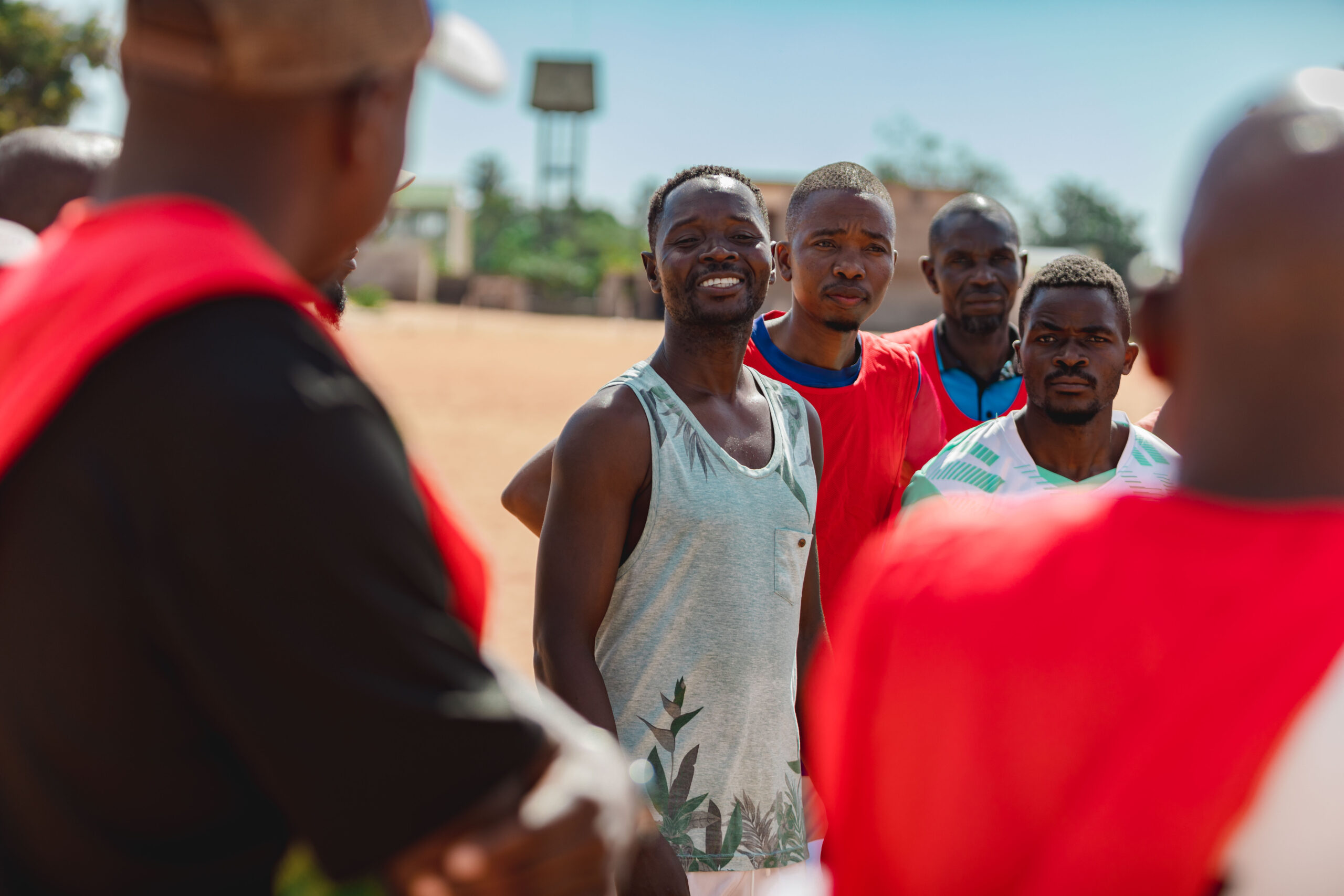
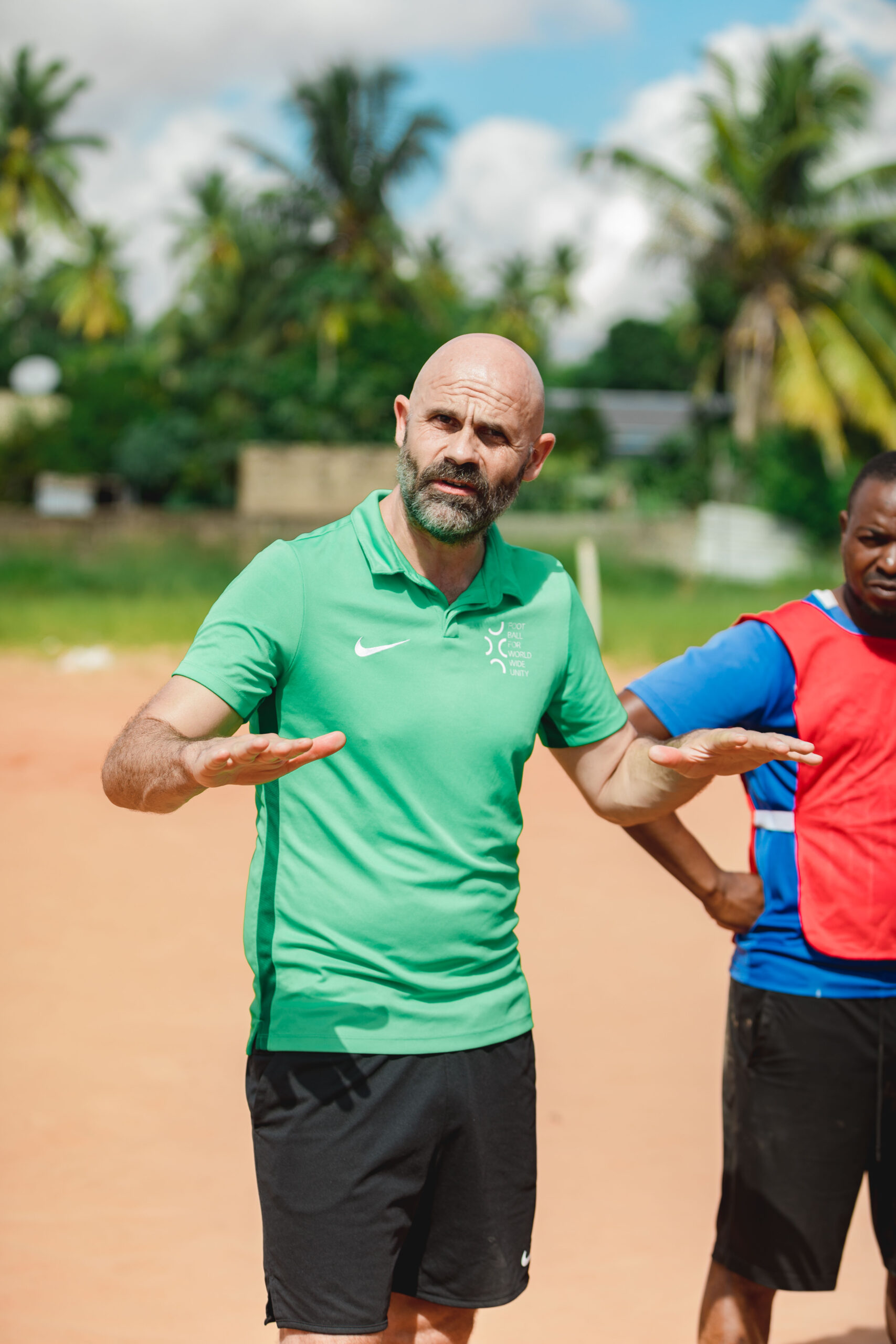
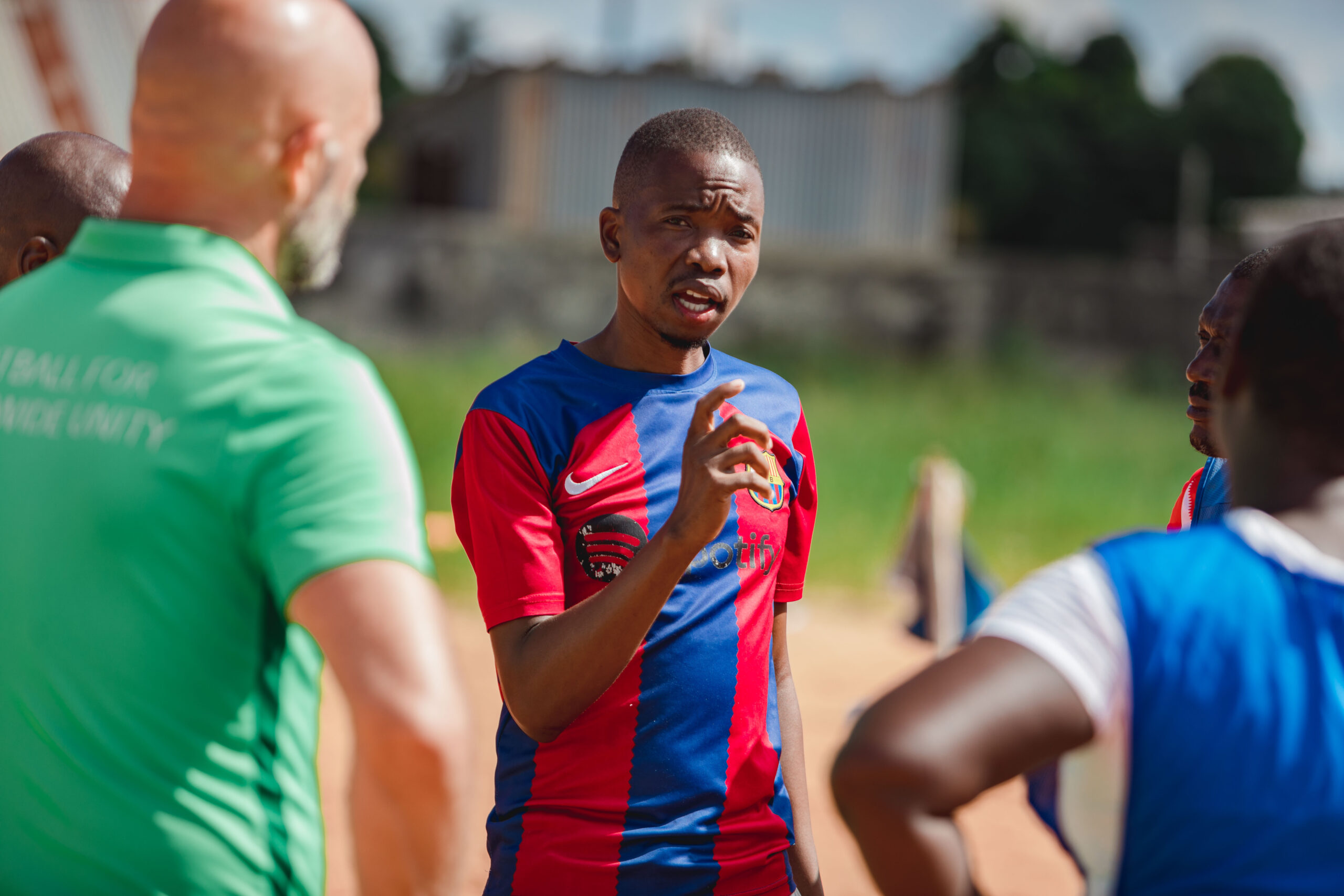
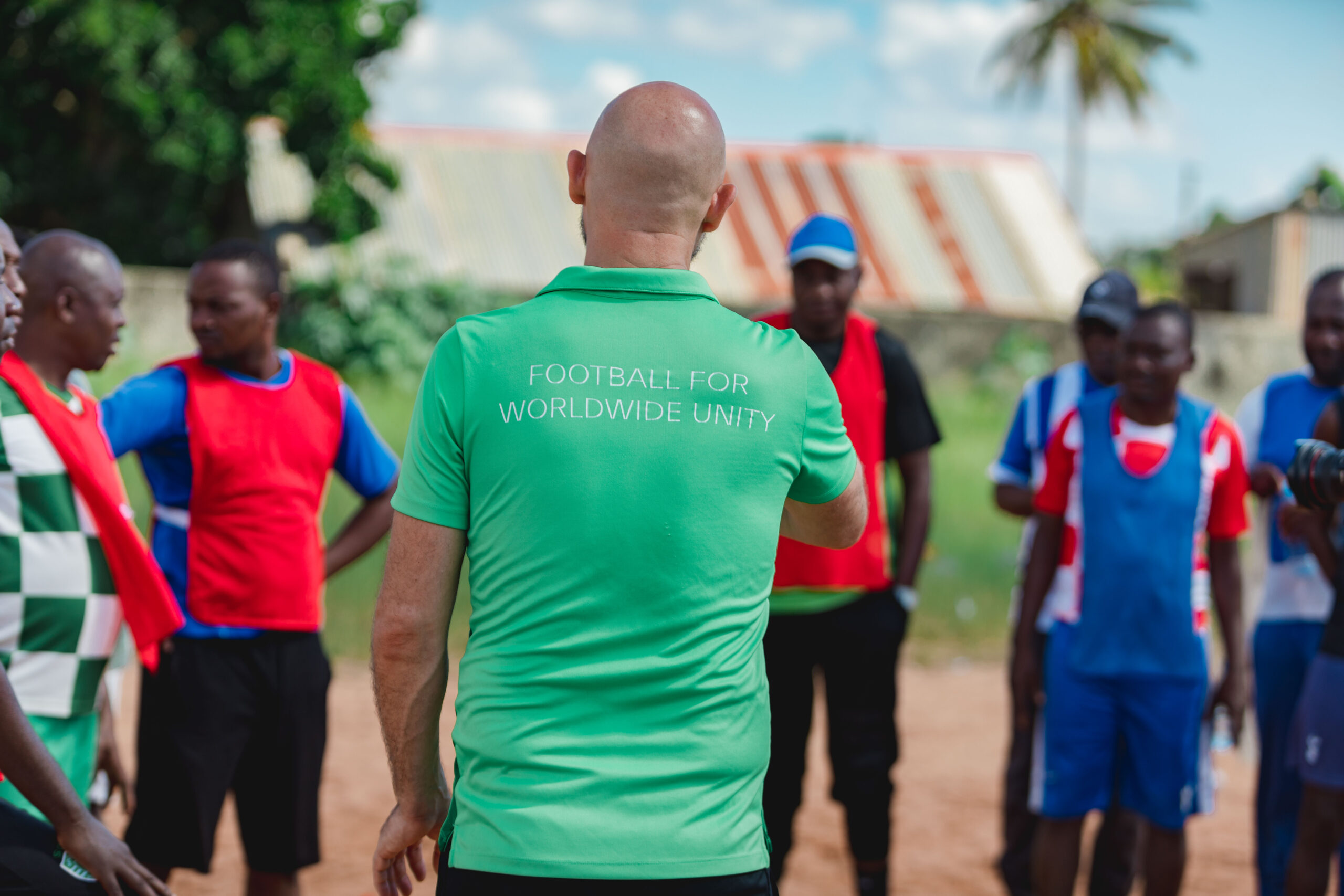
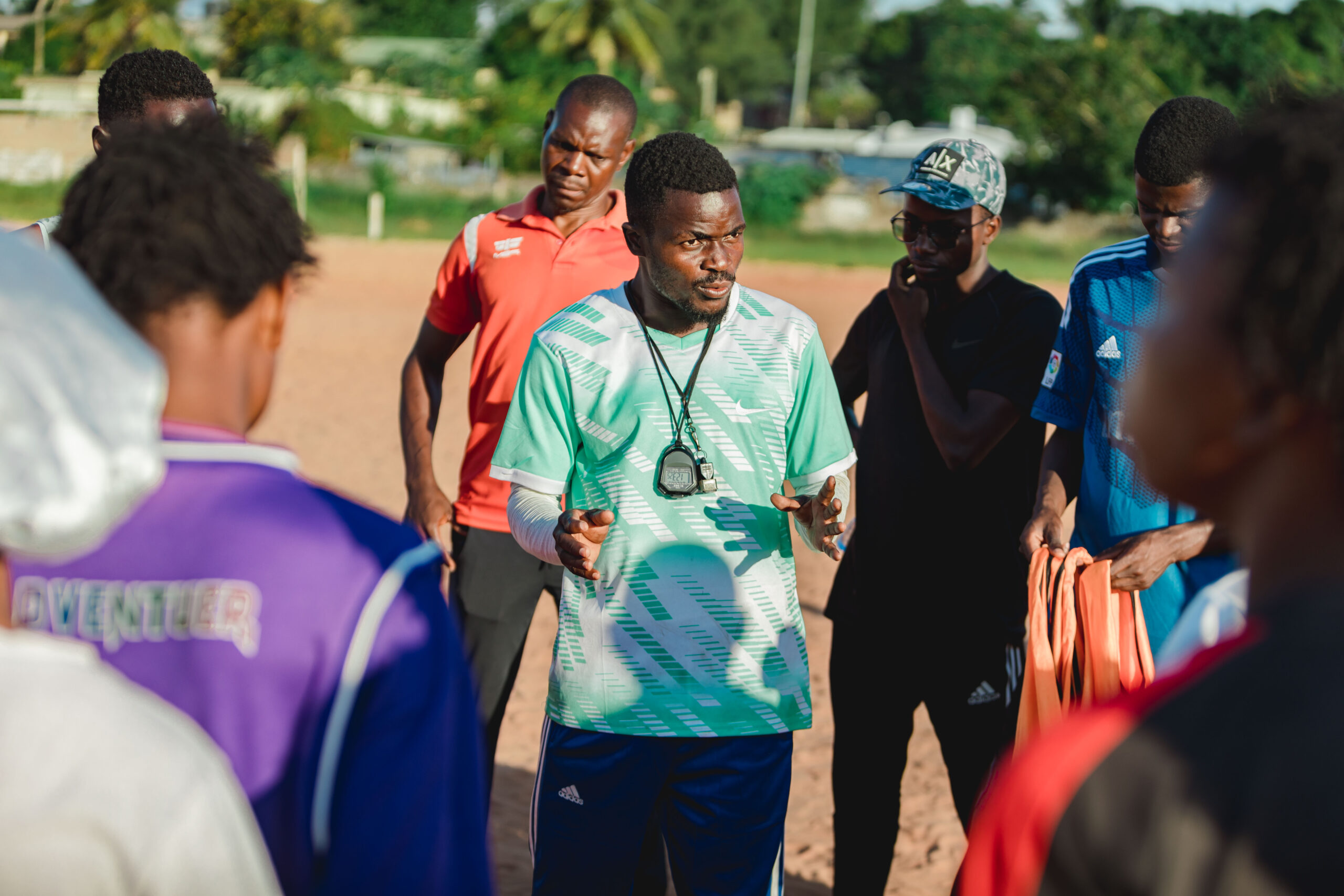
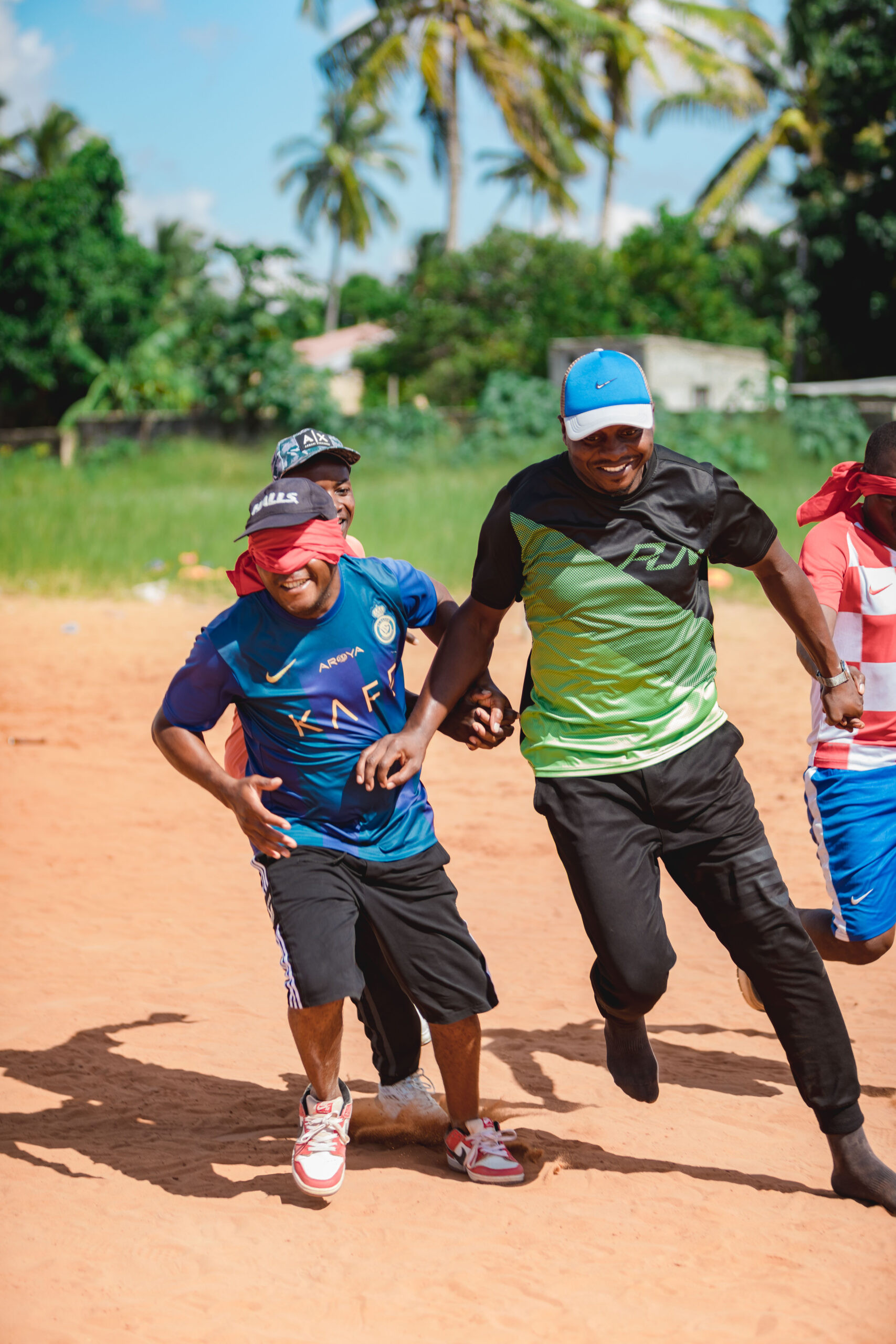
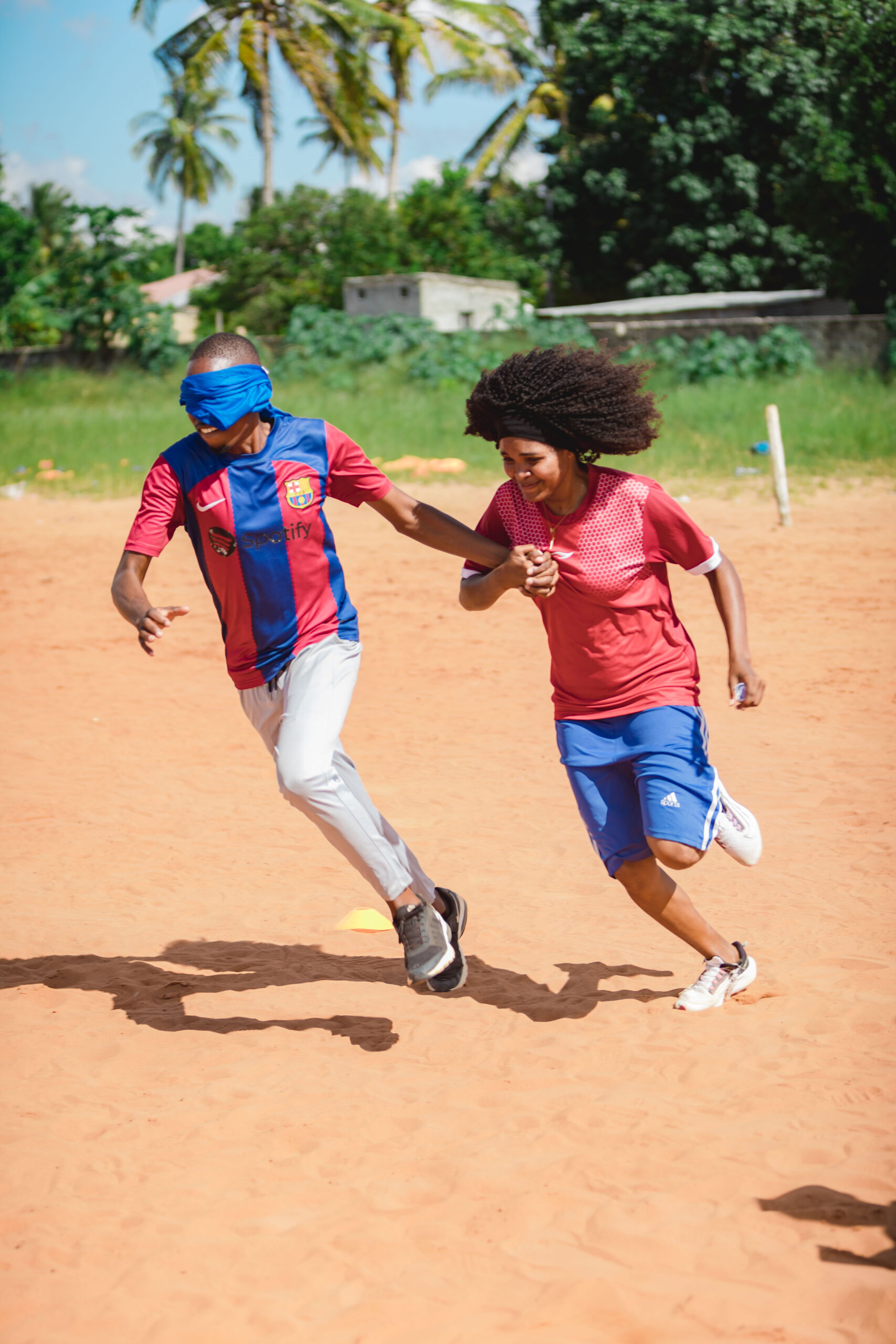
In Massinga, in Mozambique’s Inhambane Province, 24 football coaches spent a week going beyond tactics and drills — learning how to use football as a tool for social change in their communities.
The course was delivered together with our long-standing local partner Futebol dá Força (FDF). It marks the second time the two organisations have run this curriculum together, following a first edition in Xai-Xai in 2025. Specifically, it focused on FFWU’s Sharing Goals framework for Social Competences: helping coaches integrate social and emotional learning into everyday training sessions, and to see themselves not just as coaches, but as community leaders and role models.
A Partnership Over a Decade in the Making
FFWU and Futebol dá Força first worked together back in 2013, when the two organisations ran their first joint coach training in Maputo. Since then, the collaboration has taken many forms, from social-training courses to work with university sports faculties. This Social Competences course is simply its latest chapter.
Building on lessons from the first Social Competences edition in Xai-Xai in 2025, this second run benefited from a partnership that has matured over time. As a result, logistics ran noticeably smoother, and the collaboration between FFWU and FDF continues to deepen with each course.
Coaching for Girls’ Football
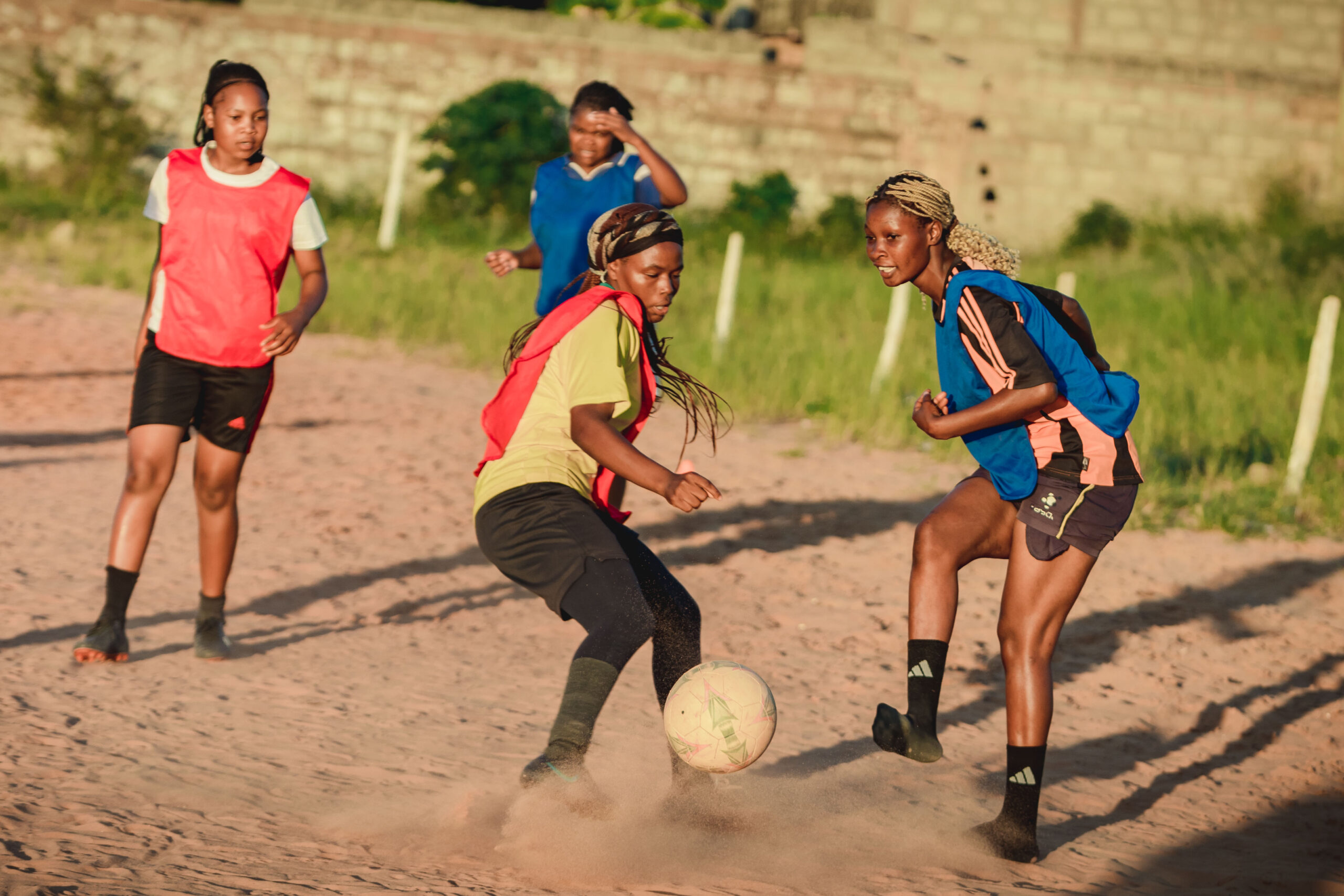
Futebol dá Força is the Mozambique programme of Força Foundation, an international movement that trains football coaches to act as catalysts for girls’ equal rights. Coaches learn to build safe spaces, self-esteem and leadership for girls, both on and off the pitch. At the same time, they work with families and communities to shift the norms that hold girls back. That focus clearly shows in who these coaches actually train: around 90% of the children in their care are girls.
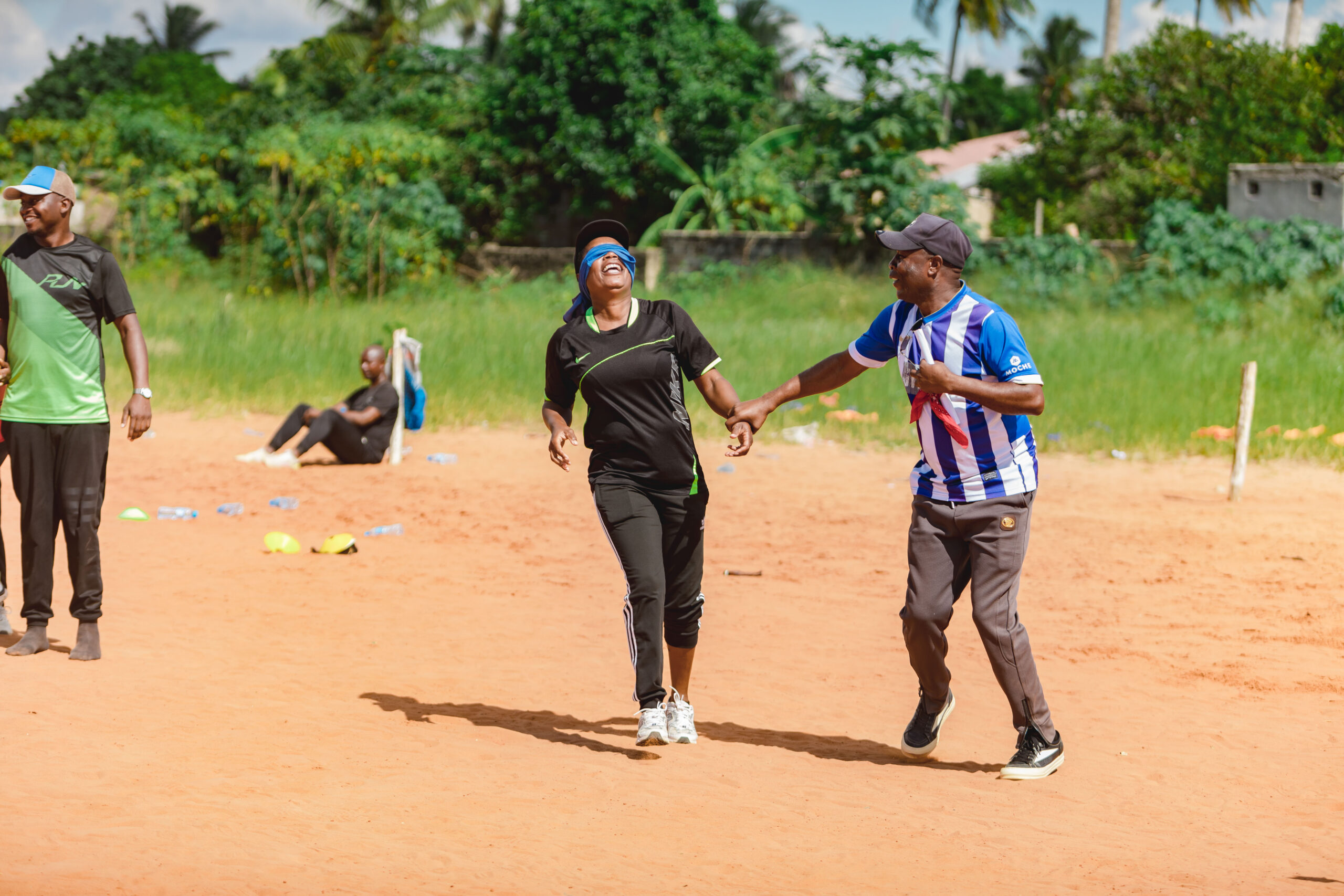
The training method at the heart of the course is guided discovery. Instead of lecturing coaches on what to do, facilitators guide them through experiential learning, group work, case studies, and on-pitch practice. In this way, the lessons are more likely to stick.
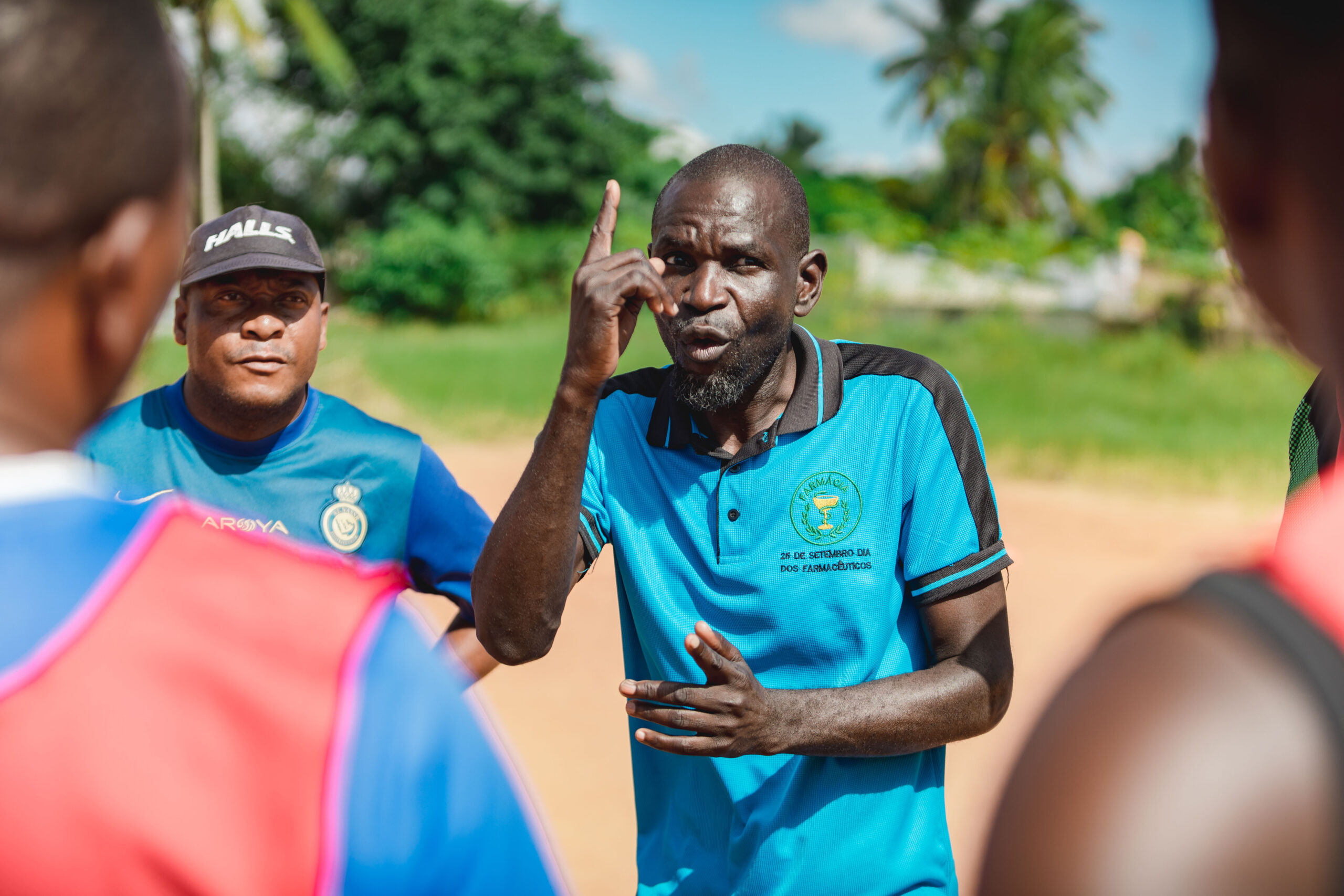
“I learned the exact ways to transmit moral values through football.”
— Course participant, Massinga 2026What Coaches Take Away
Coaches reported clear gains in confidence and skill. For example, the share who fully agreed they had “the necessary skills” to coach effectively rose from 58% before the course to 83% afterwards. Similarly, confidence in using football for social change rose to 94% agreeing fully, up from 76% beforehand.
Perhaps the clearest shift was in how coaches described their own role. Before the course, most named helping players develop football skills, or grow beyond the pitch, as their main goal. Afterwards, “building confidence and teamwork” jumped sharply as a stated priority. This shift directly reflects the social competences focus of the training.
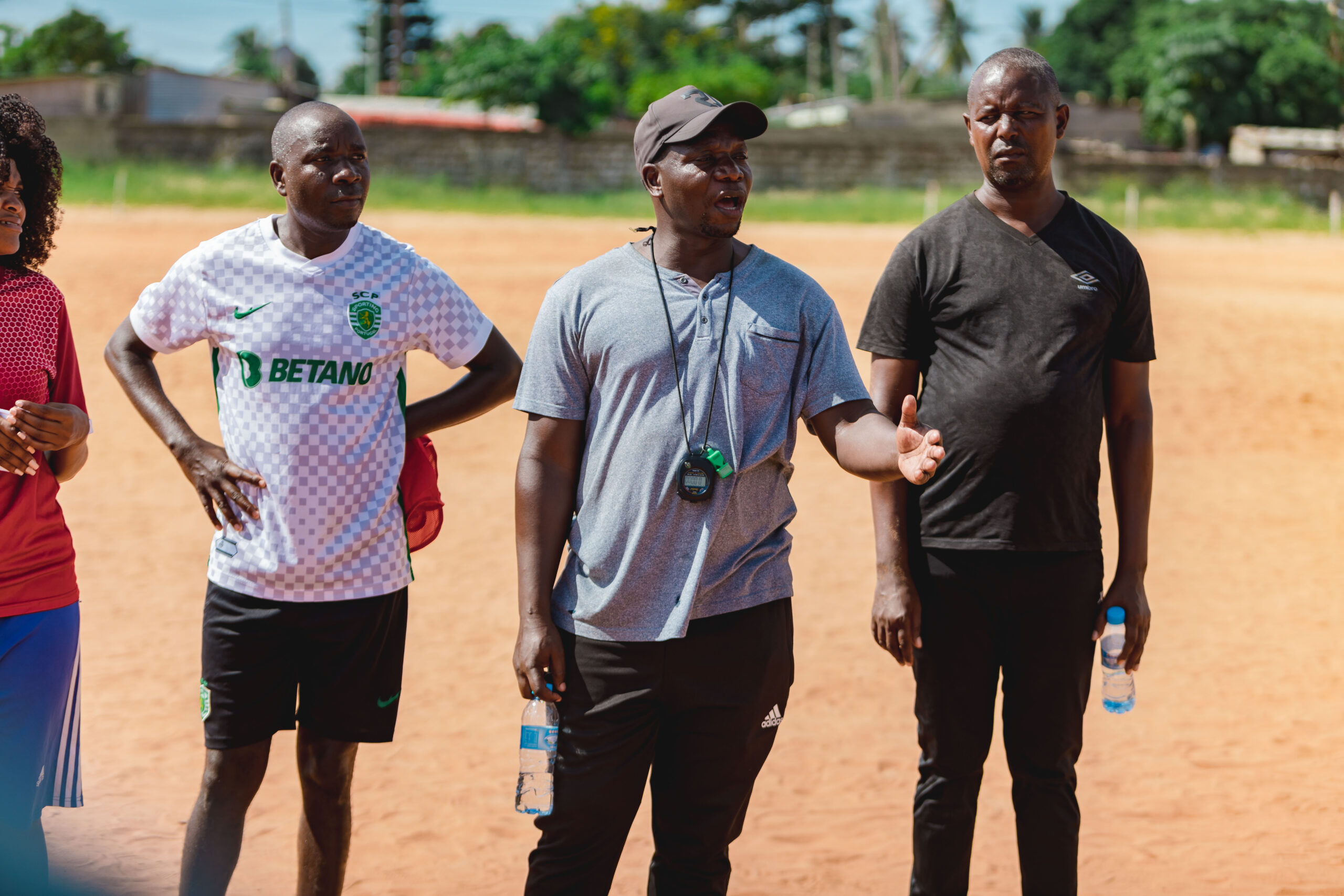
“The most important aspects I learned: empathy, confidence and honesty.”
— Course participant, Massinga 2026In Their Own Words
Across the week, participants consistently described the course less in terms of football technique. Instead, they spoke about character: the kind of coach they want to be, and the kind of example they want to set for the young people they train.
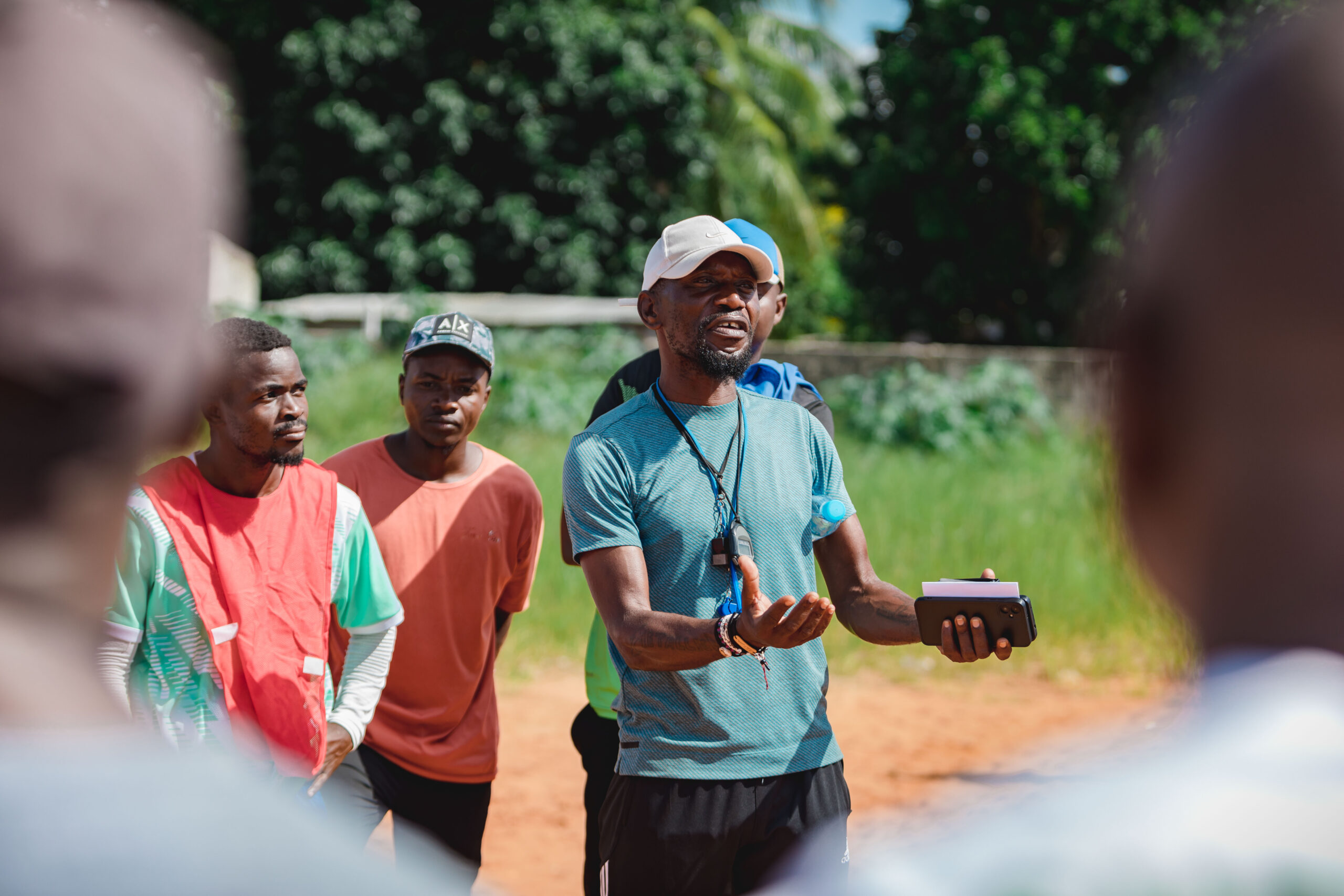
“Football must develop talent and positive values for life.”
— Course participant, Massinga 2026The instructors and facilitation were the highest-rated part of the course experience. In fact, 94% of participants rated the teaching quality as excellent, and every single participant said they would recommend the course to a fellow coach.
Looking Ahead
With two editions of the Social Competences course now delivered with FDF, the partnership is building a track record of consistent results. These include strong satisfaction, growing coach confidence, and lasting relationships between FFWU and local partner organisations in Mozambique. Looking forward, plans are already underway to build on these lessons, including giving coaches more hands-on, athlete-led practice on the pitch.
Photos from the Course

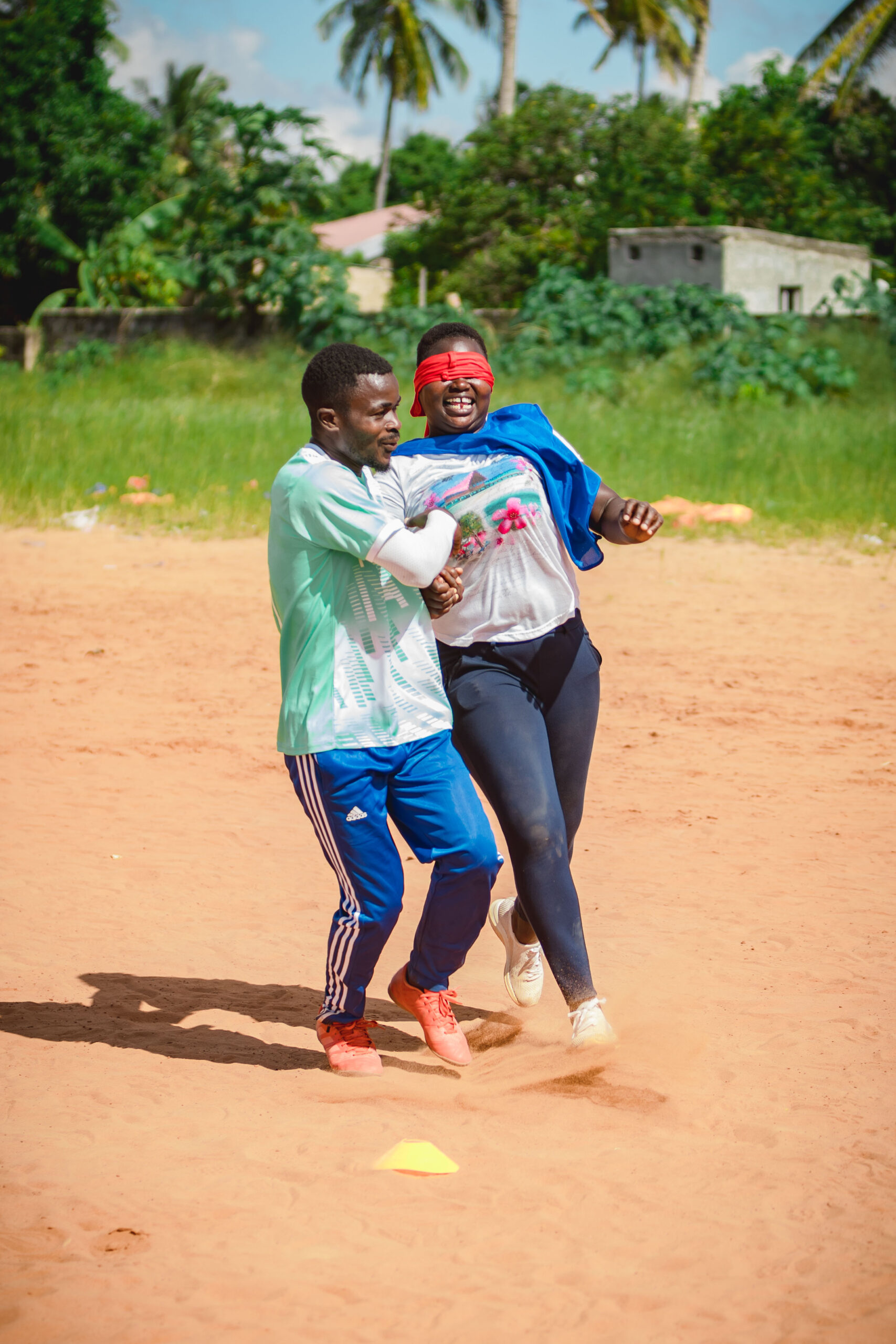
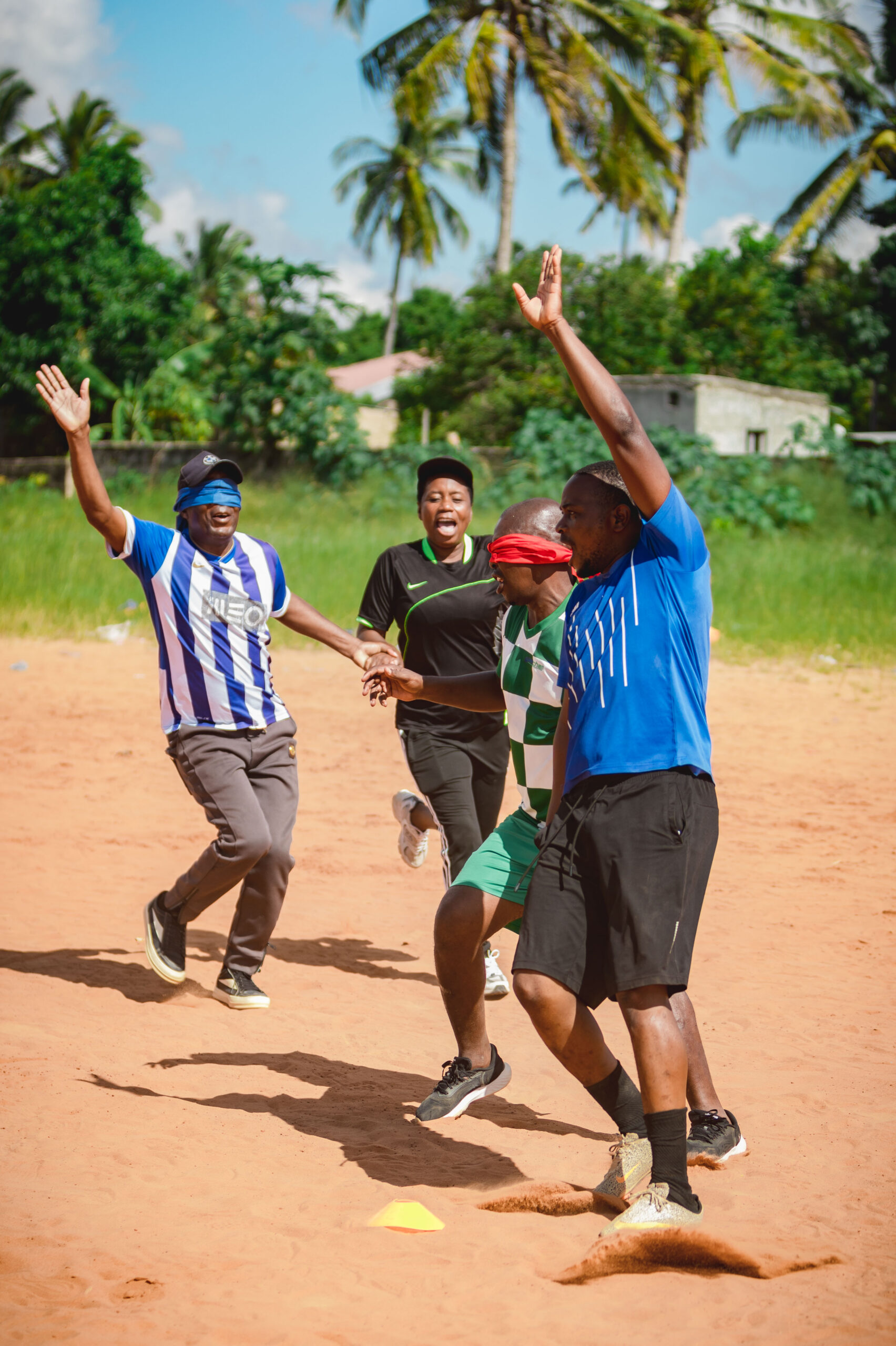
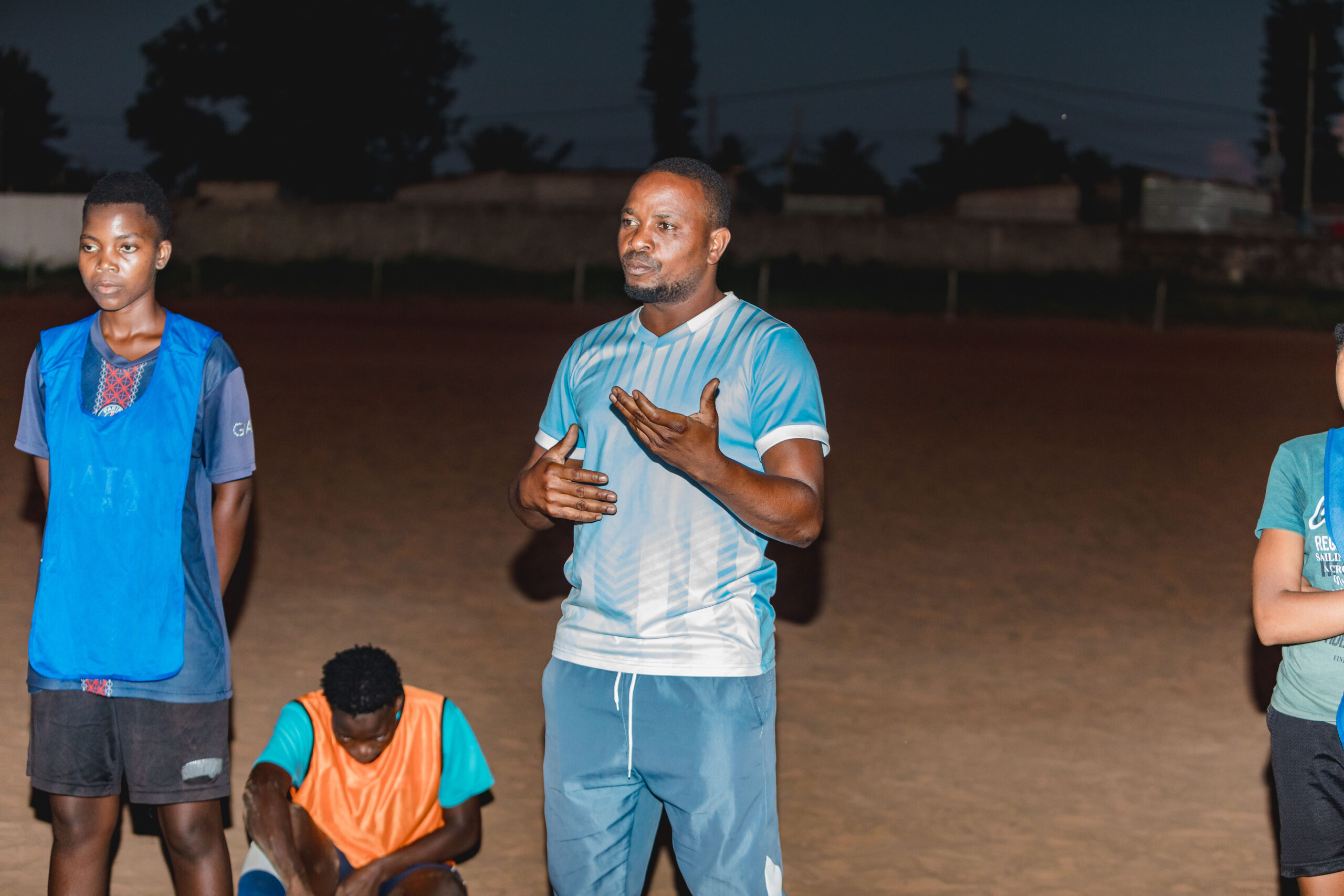
The Sharing Goals programme is delivered by Football For Worldwide Unity e.V. (FFWU) in partnership with local football organisations across the globe. For more information or to support the programme, visit www.ffwu.org/support.