
Sharing Goals · Mozambique
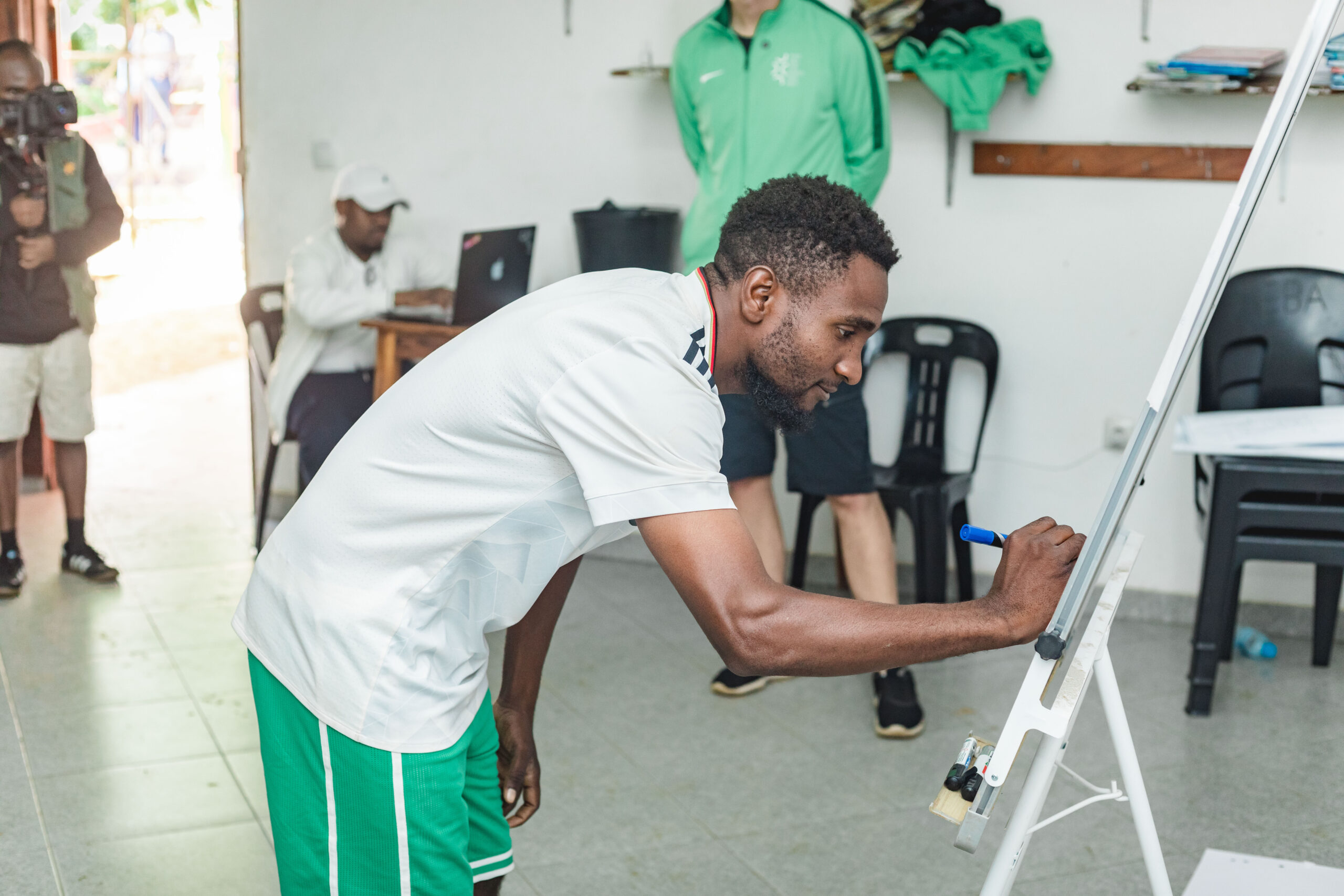
Our coaching courses have always combined classroom theory with real practice on the pitch. In May 2026, however, we did something a little different: for one week, our lead educator joined eleven coaches in Albasine, Maputo — not to deliver a new course, but instead to sit with them in a strategy workshop, then follow them out onto the pitch and give every single one of them individual feedback.
A different format: mentoring instead of teaching
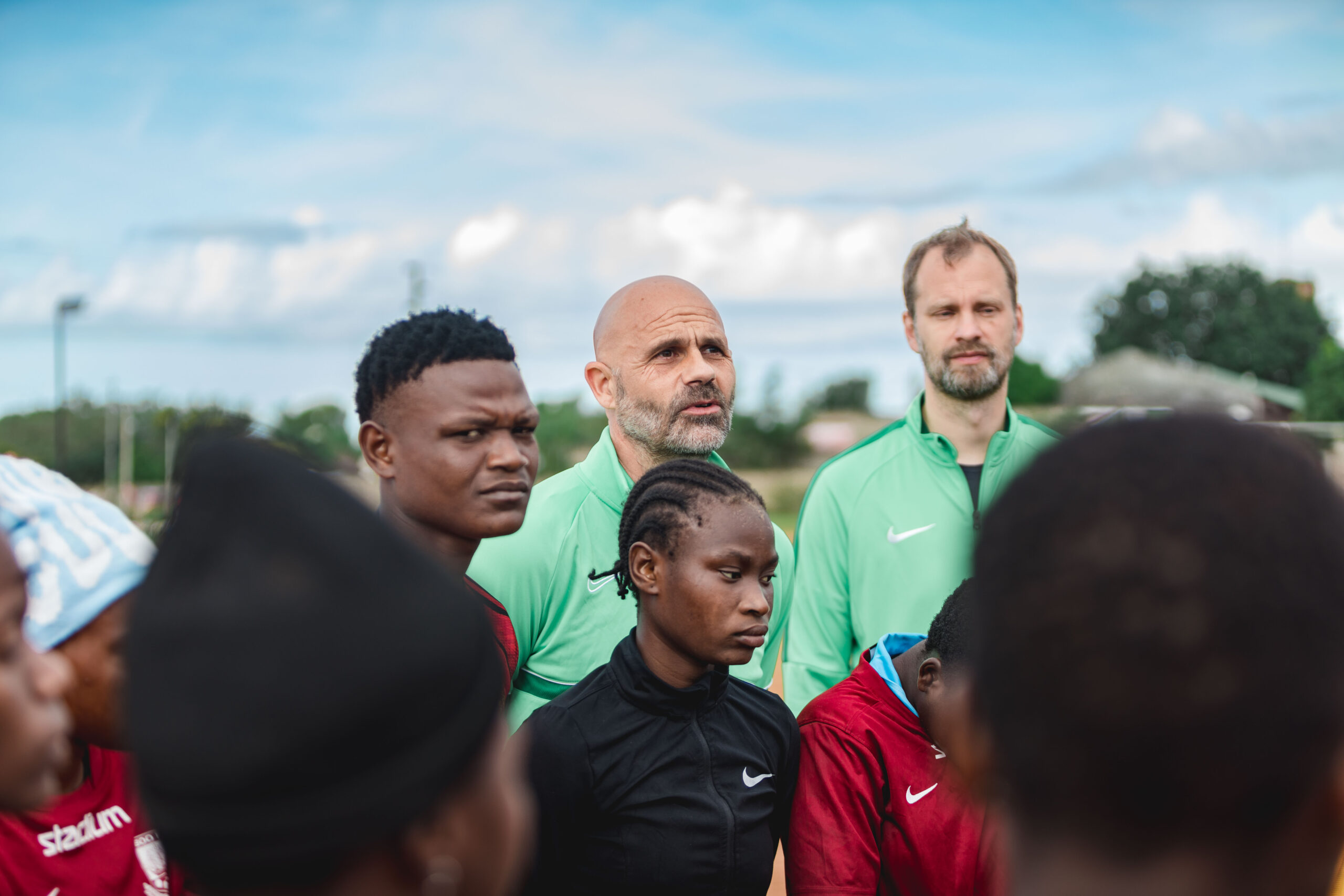
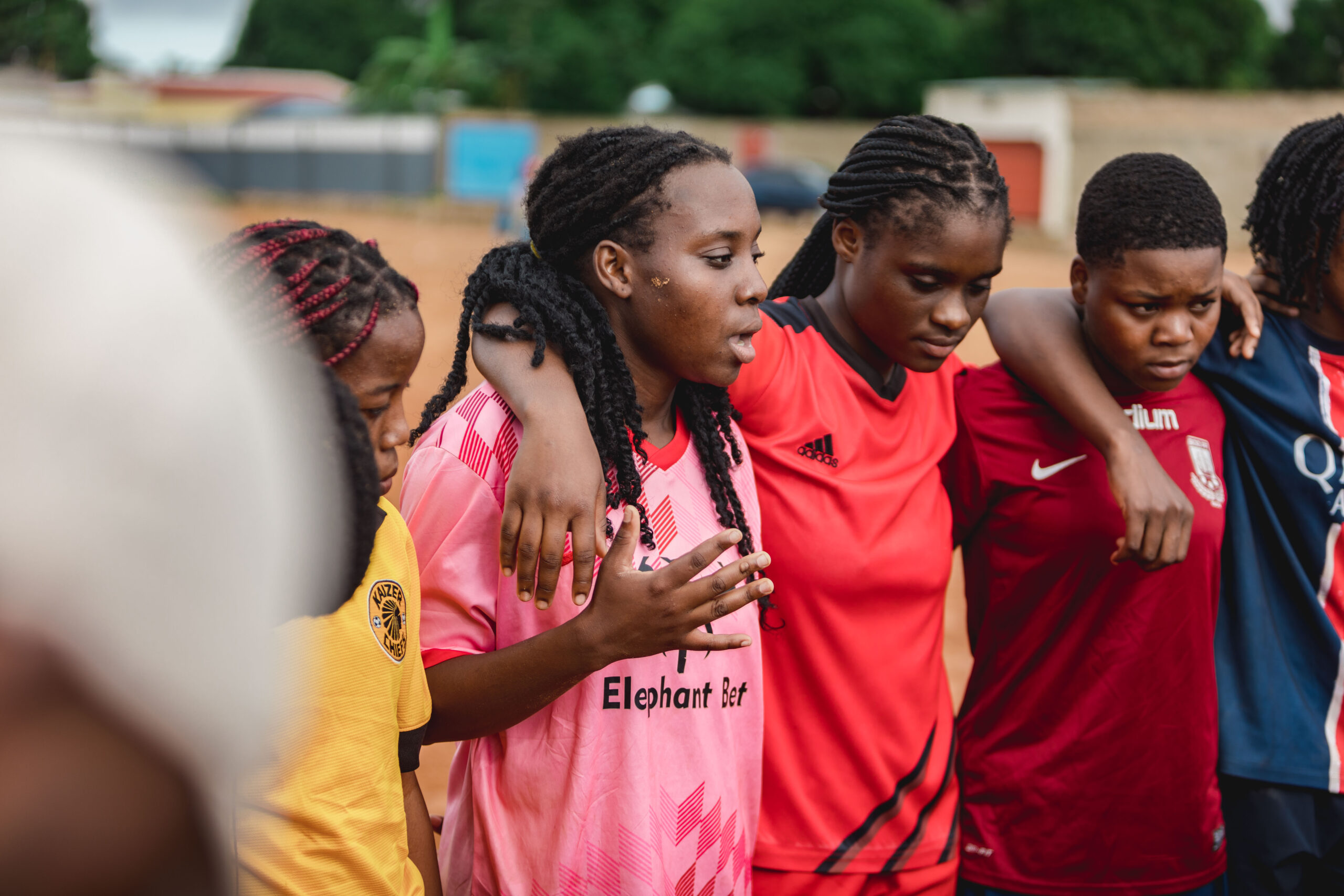
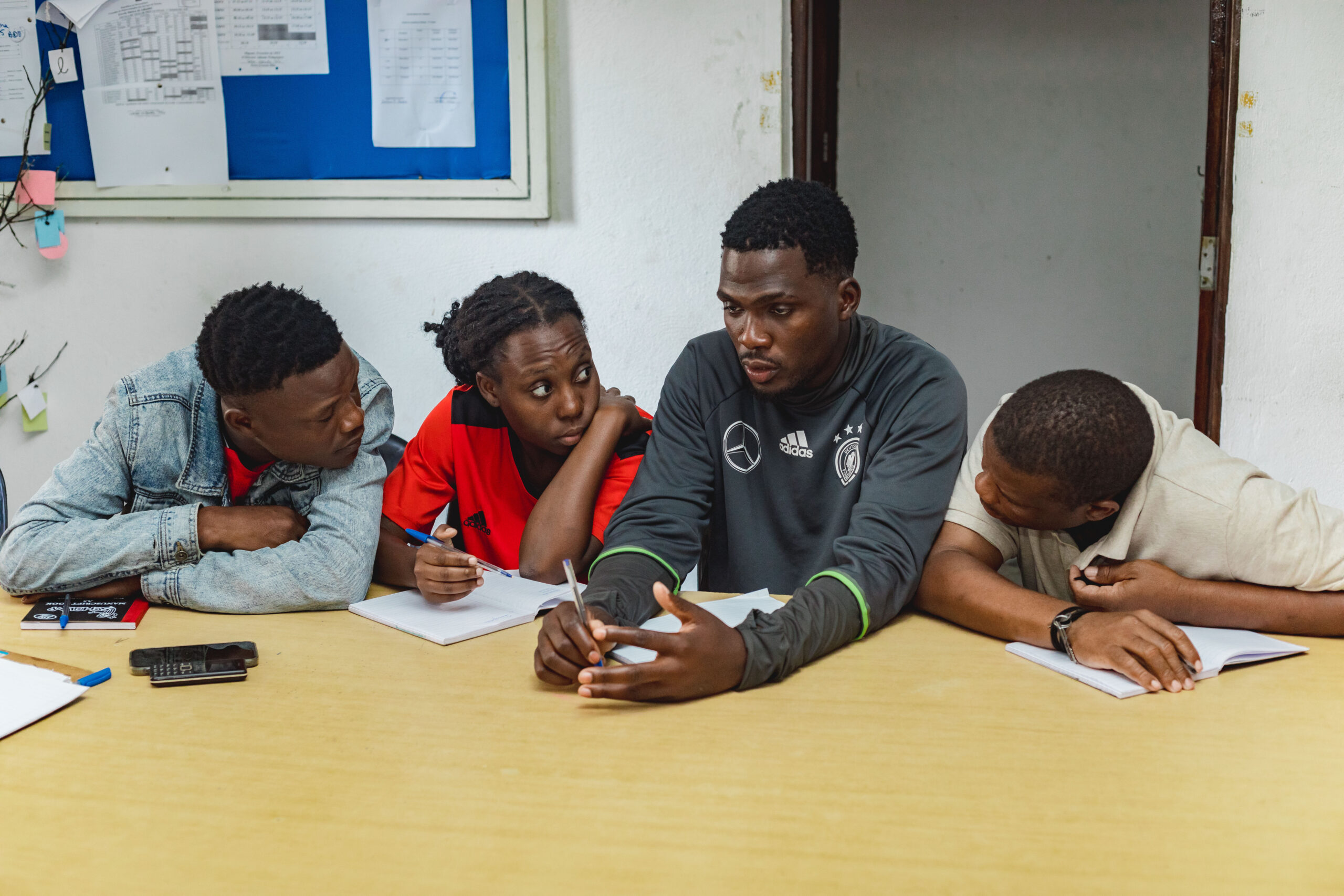
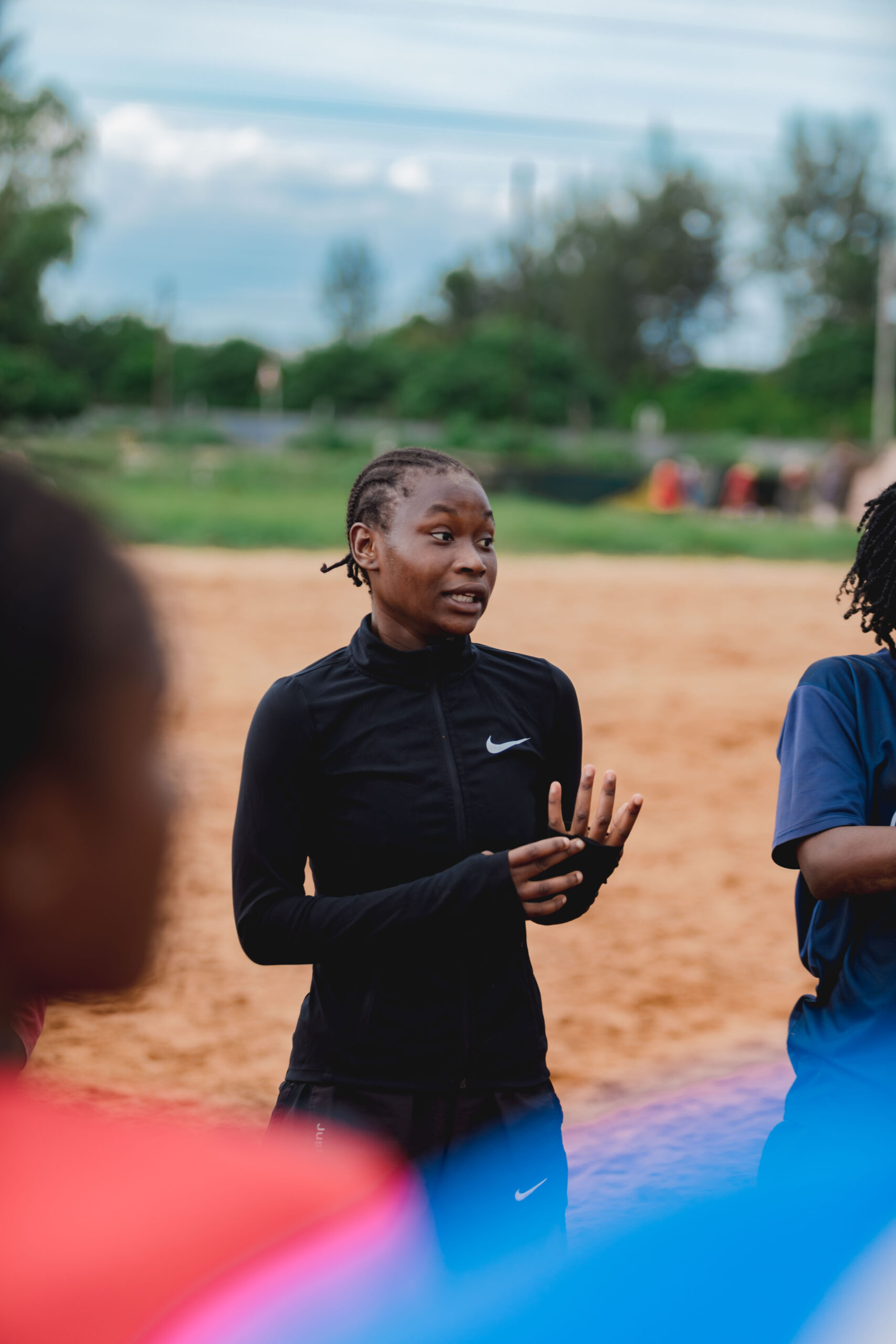
A mentoring week works differently from a coaching course. First of all, there is no new curriculum to deliver. Instead, after a joint strategy workshop in the classroom, each coach led real training sessions with their own teams — and was observed doing it. Importantly, the observers were not just our lead educator, but the other ten coaches too. Then, after every session, the group came together: colleagues shared what they saw, what worked, and where there was room to grow, before the lead educator added his perspective.
Overall, this kind of structured peer feedback is rare in football. In most clubs, for example, coaches work alone: nobody watches their sessions with a trained eye, and as a result, honest feedback between colleagues has no natural place. The mentoring week, however, creates exactly that place.
“The individual feedback and peer-to-peer feedback can be a very powerful approach to further improve details and identify areas to improve.”
— Sascha Bauer, FFWU Lead EducatorAbout Associação Desportiva de Albazine (ADA)
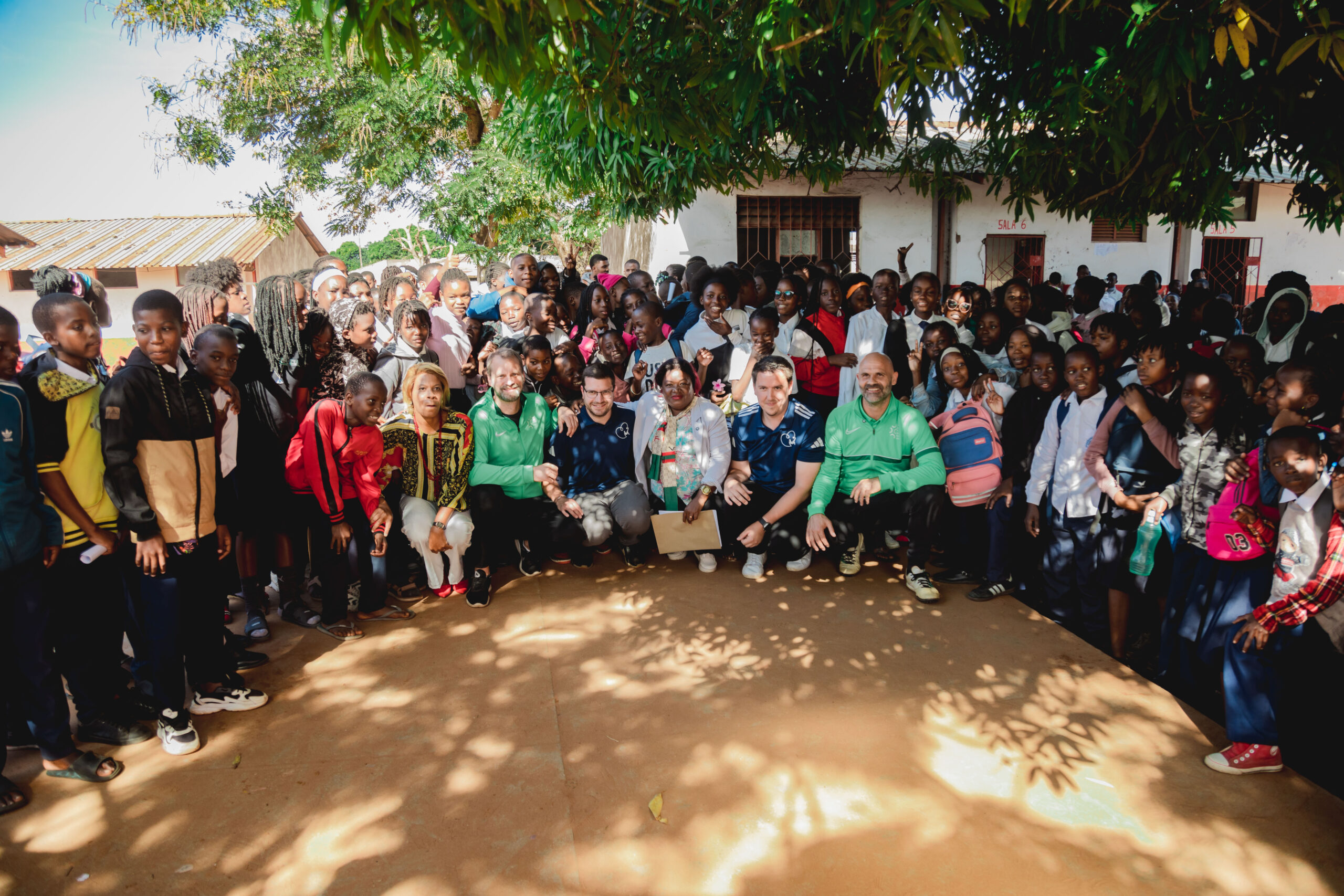
The week took place in Albazine — one of Maputo’s poorest neighbourhoods — at Associação Desportiva de Albazine (ADA). Specifically, ADA is a local club founded in 2004 that the BFV-Sozialstiftung, the social foundation of the Bavarian Football Association, has supported for more than 20 years.
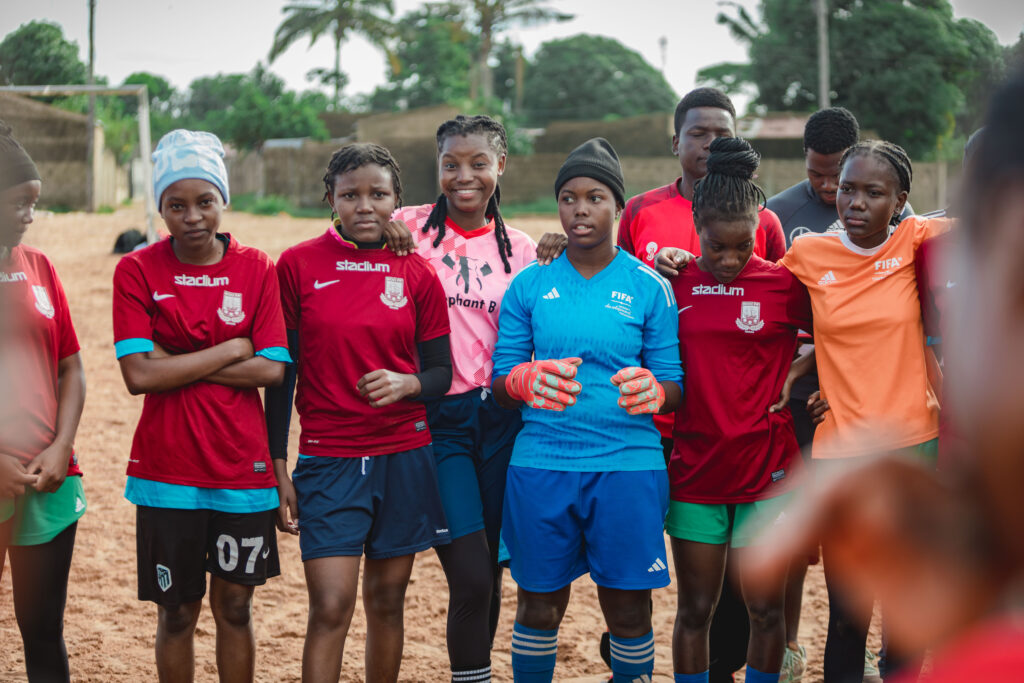
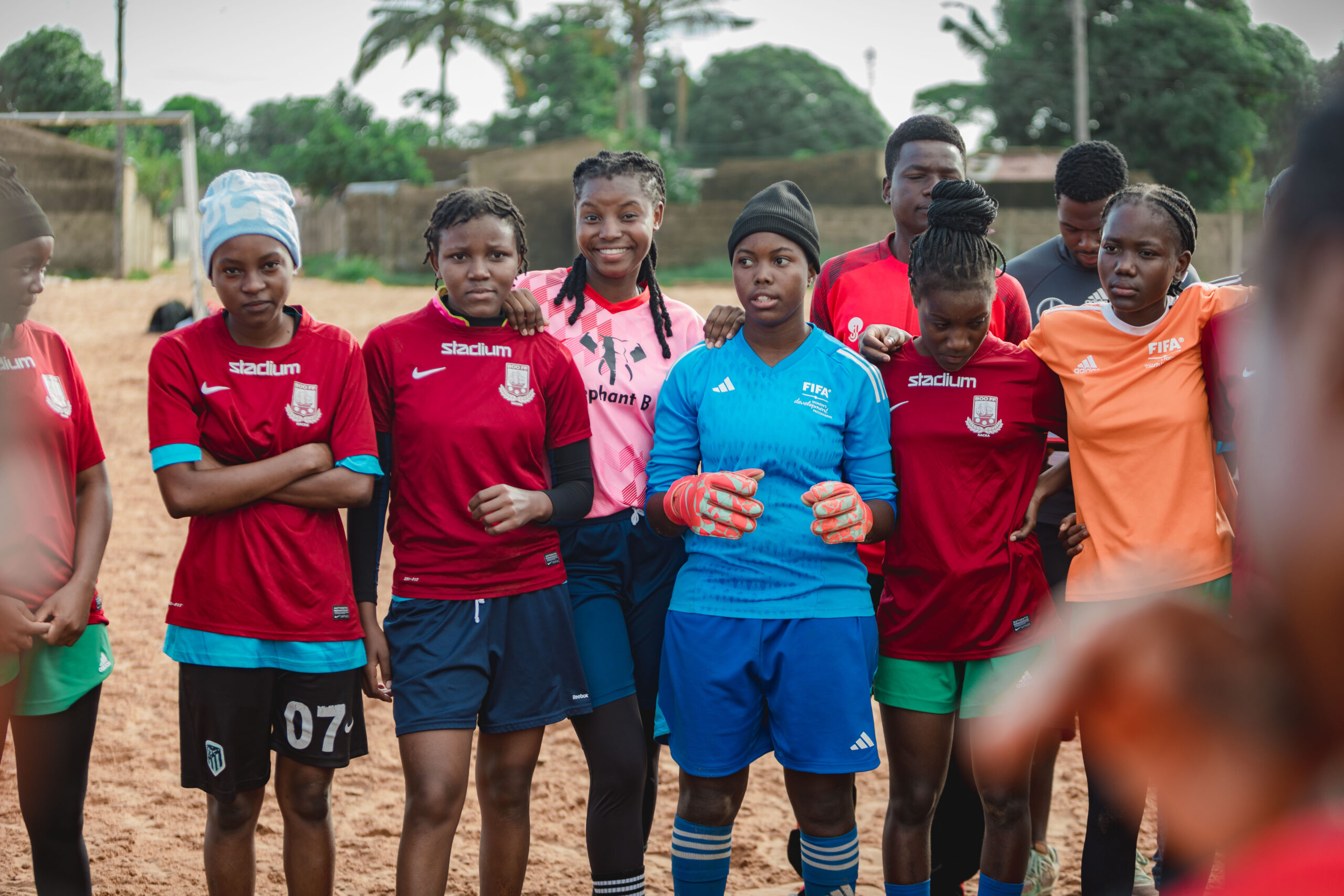
In recent seasons, and largely thanks to this partnership, ADA has grown considerably: the club now fields seven teams, from U12 to a women’s side, with around 190 players and ten coaches. In particular, its girls’ and women’s programme has produced national-league winners and youth-national-team call-ups — a clear sign of how far the club has come.
A handover after 20 years
FFWU has worked with ADA and its coaches many times before, so this mentoring week carried extra weight. Indeed, it marked the closing chapter of the BFV-Sozialstiftung’s support: the foundation is making one final investment and, as a result, is handing the project fully into local hands. Because of that transition, a week built entirely around strengthening the coaches’ own ability to observe, mentor, and support each other felt like exactly the right way to mark the occasion. Ultimately, that depth of everyday coaching activity is also what made ADA the ideal setting for a mentoring format built around real training sessions rather than a classroom alone.
What the week showed
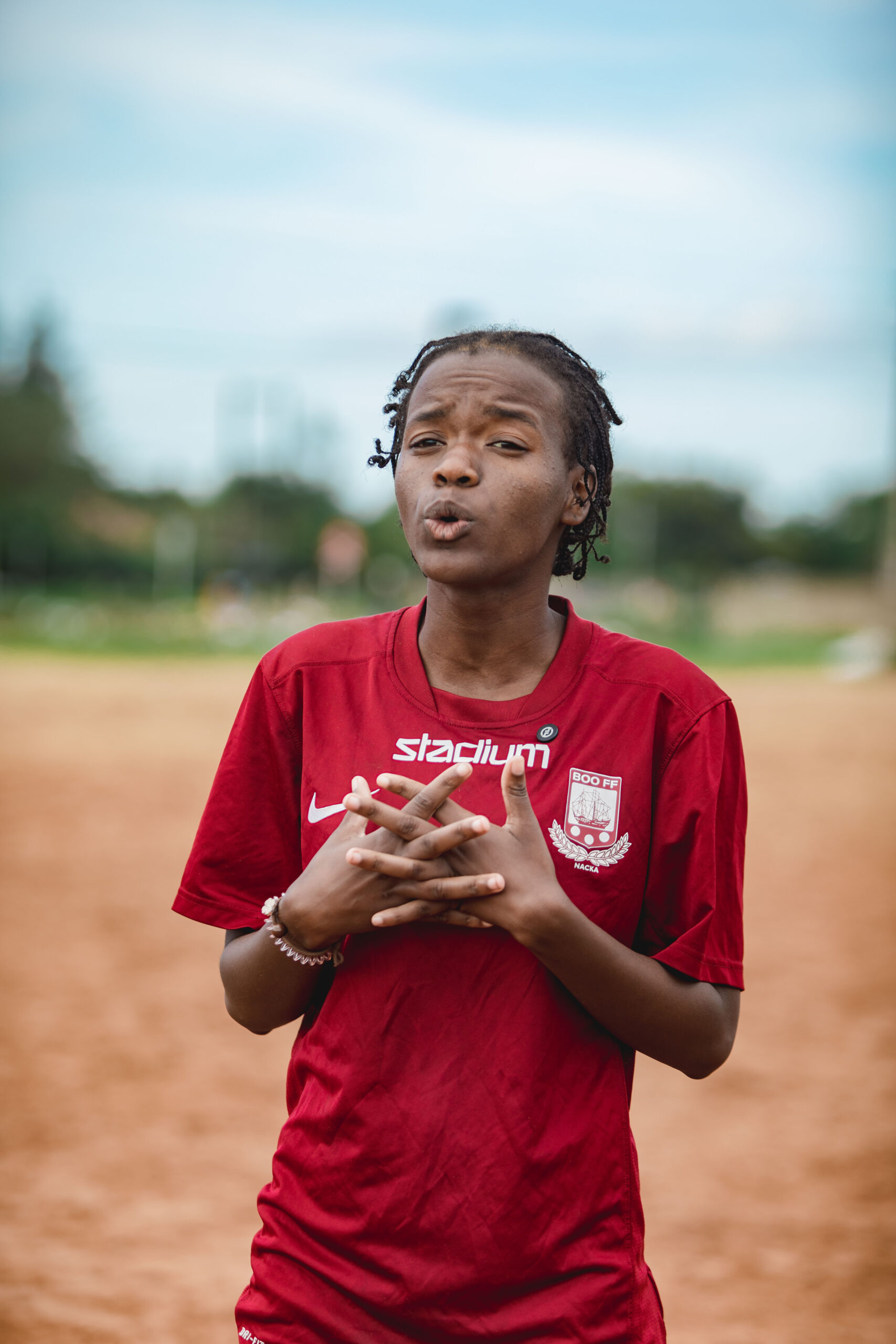
Eleven coaches took part — nine men and two women. Notably, every one of them led sessions in front of their peers. That takes courage: after all, being observed is uncomfortable, and inviting colleagues to point out your weak spots even more so.
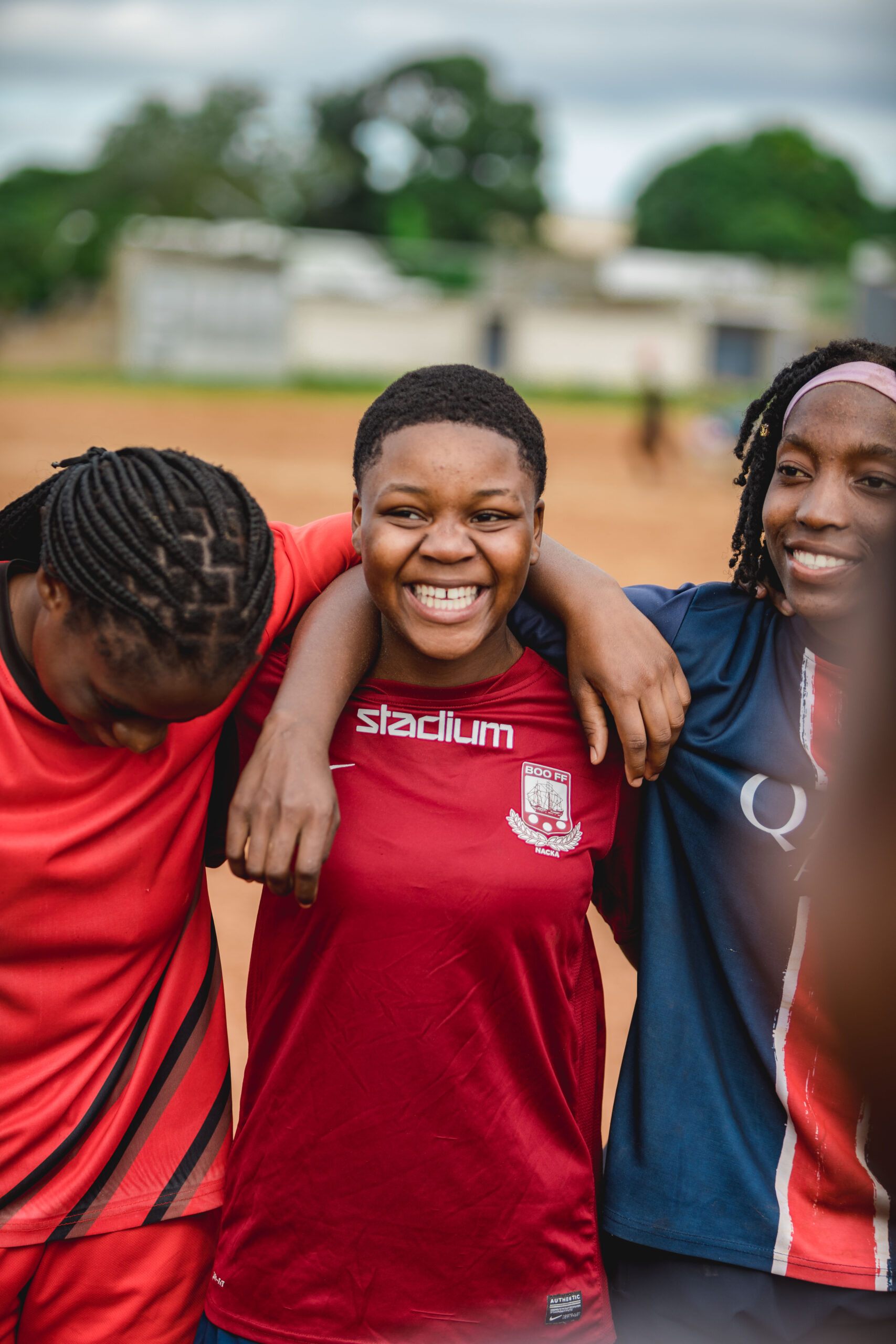
Still, it paid off. In fact, the feedback rounds turned out to be remarkably precise — coaches noticed details in each other’s sessions that would otherwise have gone unremarked, from how exercises were explained to how much space players were given to make their own decisions. As a result, the overall coaching quality was strong, and the exchange brought the group noticeably closer together.
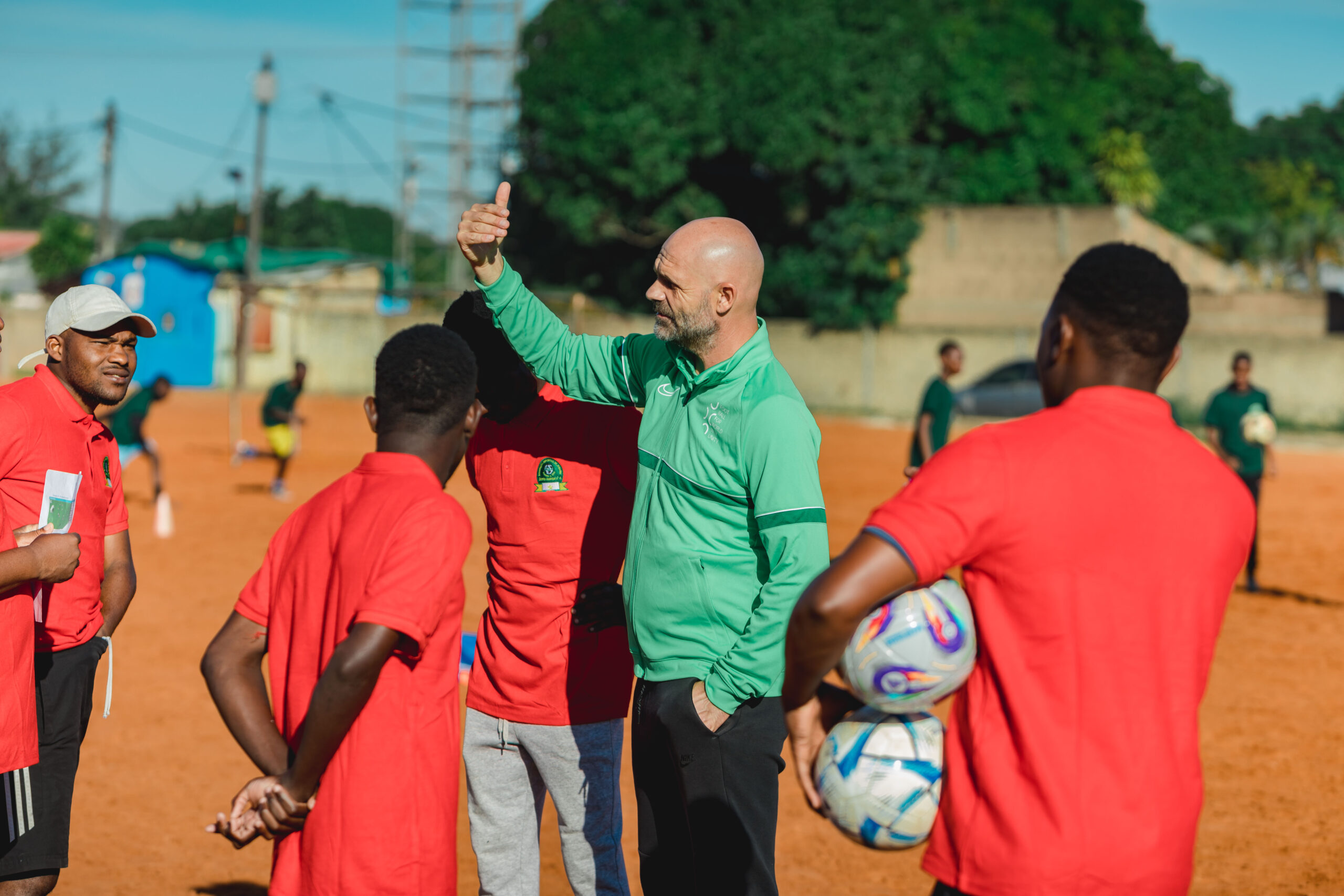
“All coaches showed a high level of motivation to work with the teams and players.”
— Sascha Bauer, FFWU Lead EducatorWhy this matters for Sharing Goals
Our Sharing Goals programme trains coaches to use football as an educational environment — a place where children build social and emotional competences alongside their game. Of course, courses lay the foundation. But lasting change happens in everyday training, long after a course ends — and, in ADA’s case, long after an external partner has stepped back. That is precisely the gap mentoring weeks are meant to bridge: they meet coaches in their real working environment and help turn course knowledge into coaching habits the group can sustain on its own.
Overall, the Maputo week confirmed how much potential lies in this format. Indeed, a feedback culture among coaches does not need expensive infrastructure — it needs a structure, a bit of courage, and someone to start it. Now that ADA is moving forward under fully local leadership, that culture of coaches watching, mentoring, and supporting each other is exactly the kind of foundation that can carry the project into its next chapter.

“This approach helped to bring the group even more together.”
— Sascha Bauer, FFWU Lead EducatorWatch: the mentoring week in Albasine
Impressions
The Sharing Goals programme is delivered by Football For Worldwide Unity e.V. (FFWU) in partnership with local football organisations across the globe, including the BFV-Sozialstiftung and Associação Desportiva de Albazine (ADA) in Maputo. For more information, or to support the programme, visit www.ffwu.org/support.