How football coaches build emotional strength
A new curriculum comes to Lesotho
What does it mean to be a good coach? For most people, the answer involves tactics, technique, maybe some motivational nous. But what if the most important thing a coach can teach has nothing to do with football?
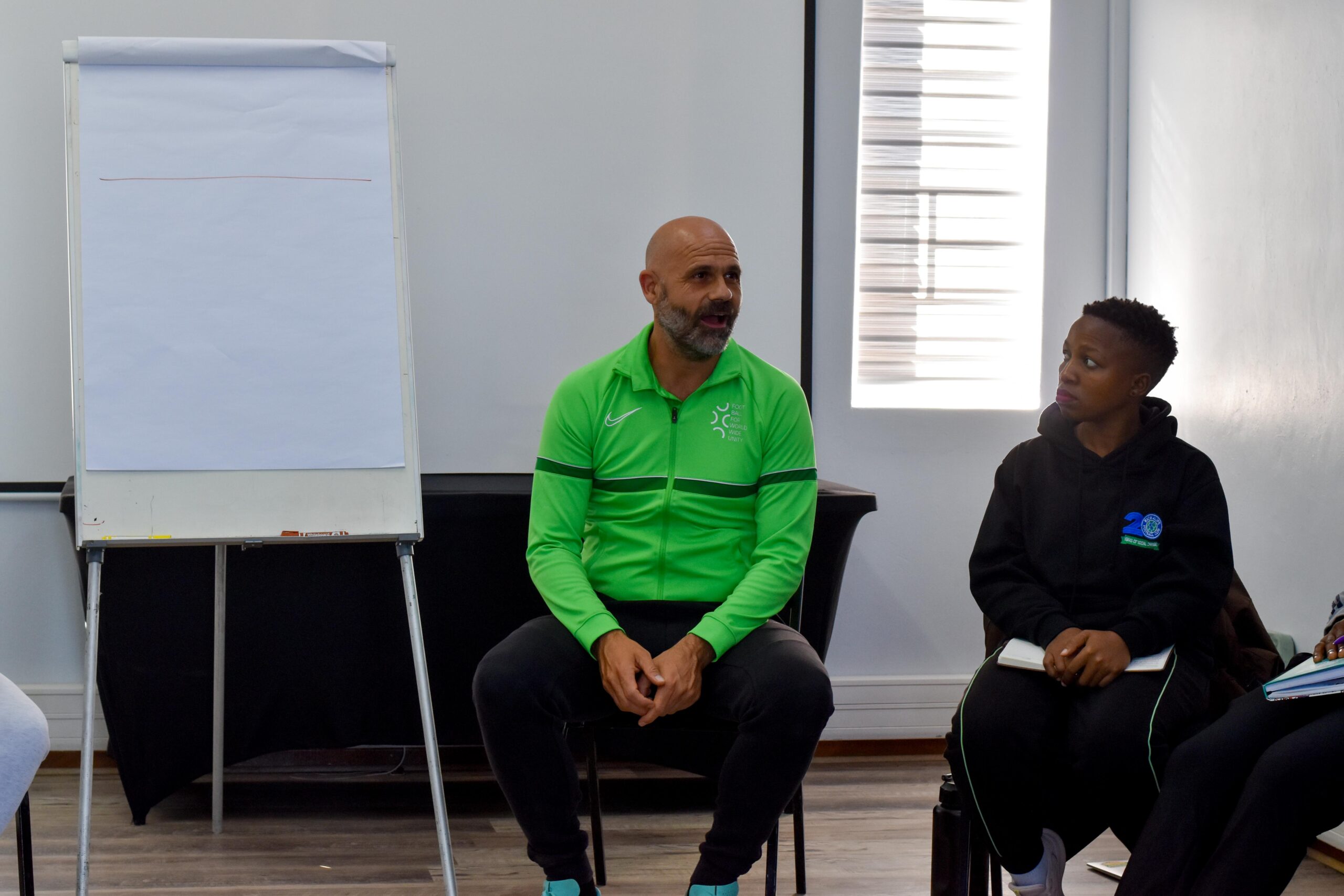
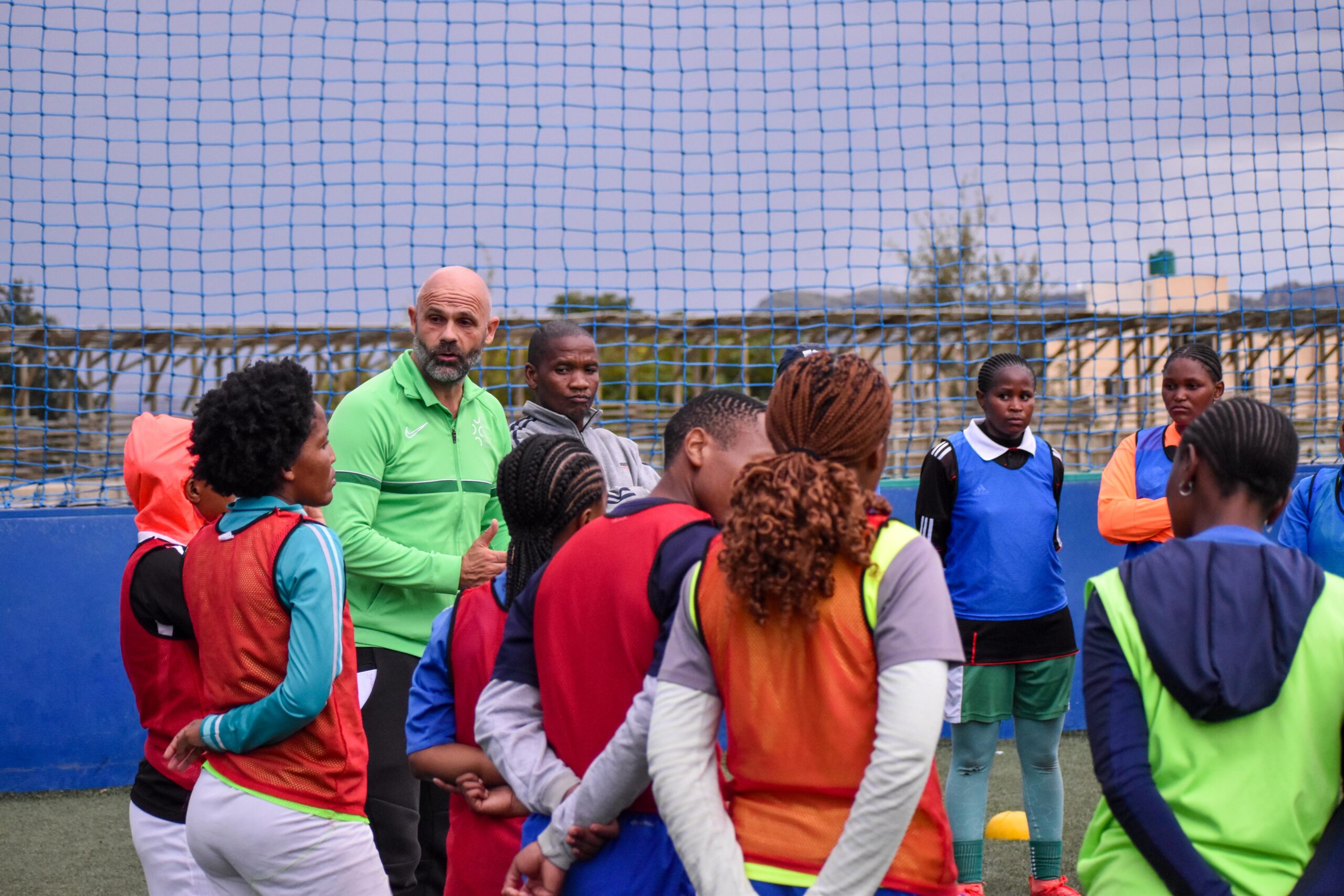
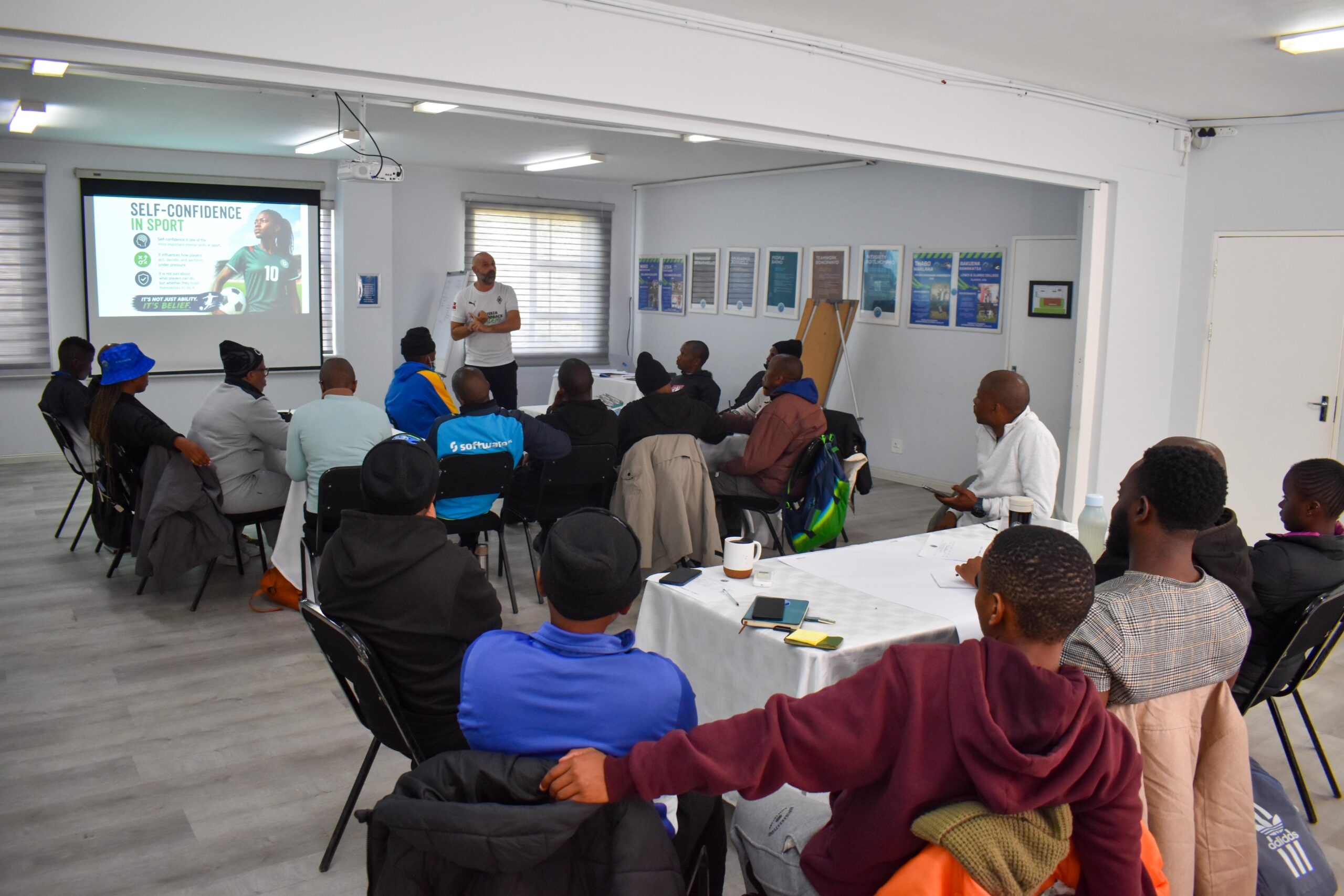
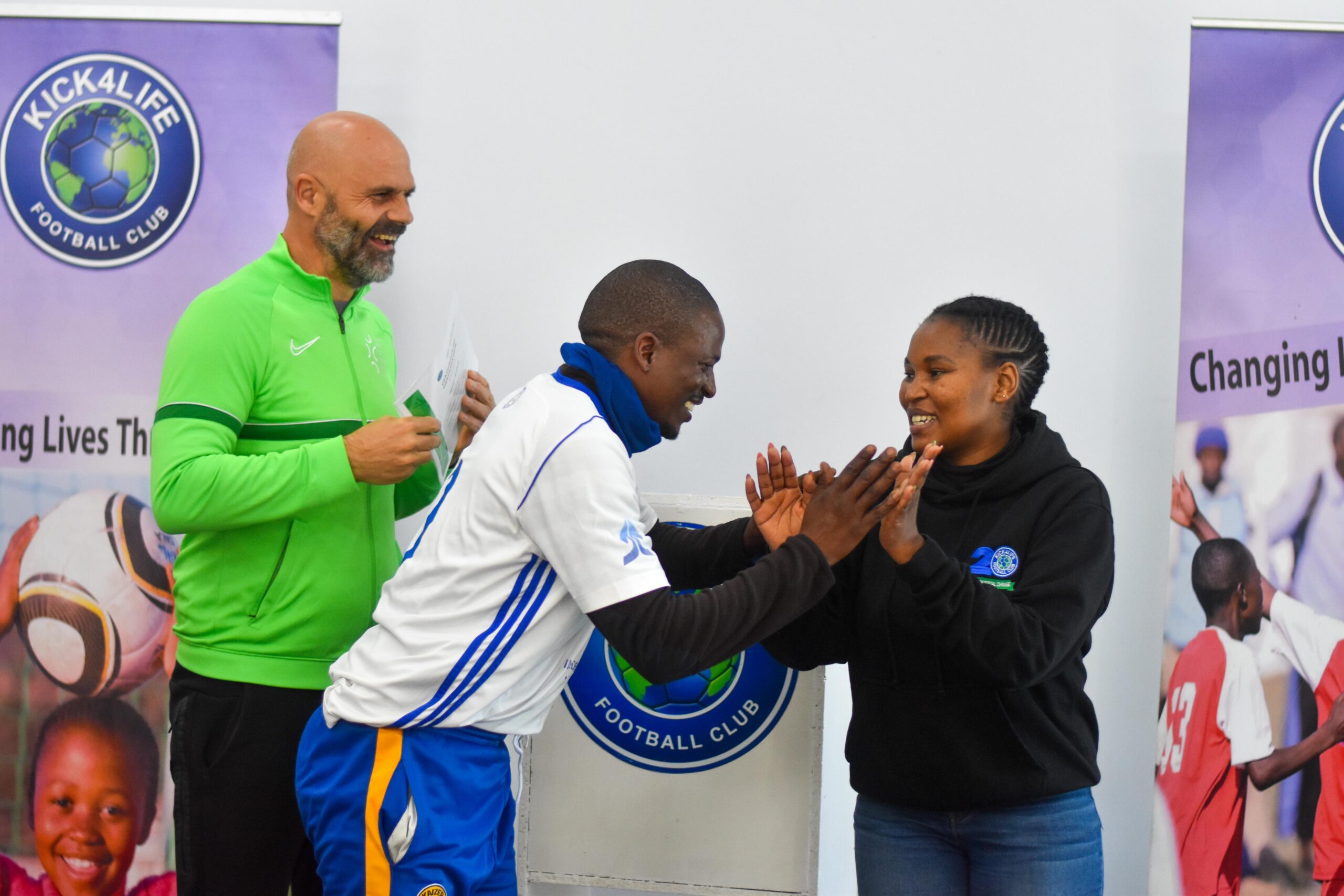
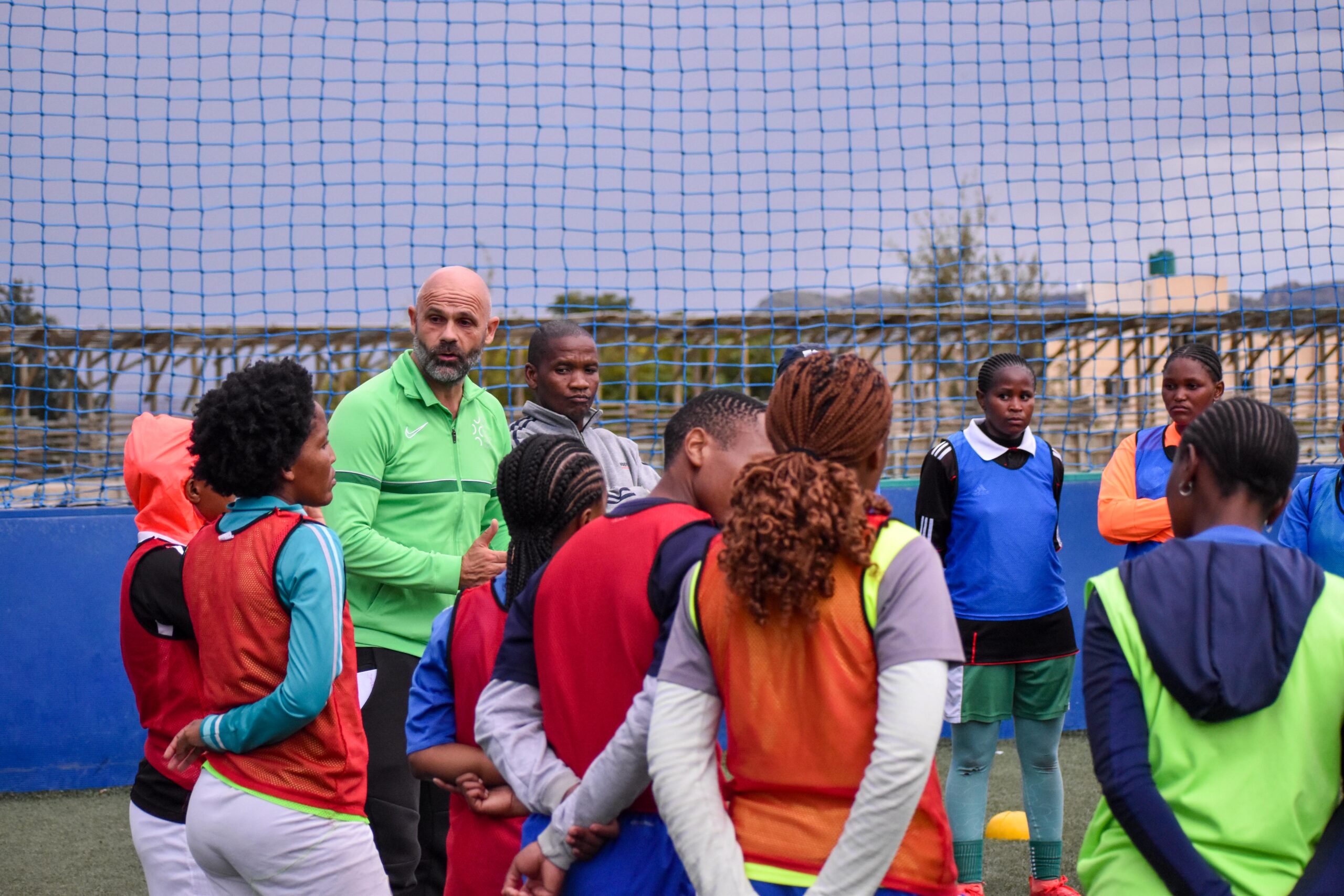
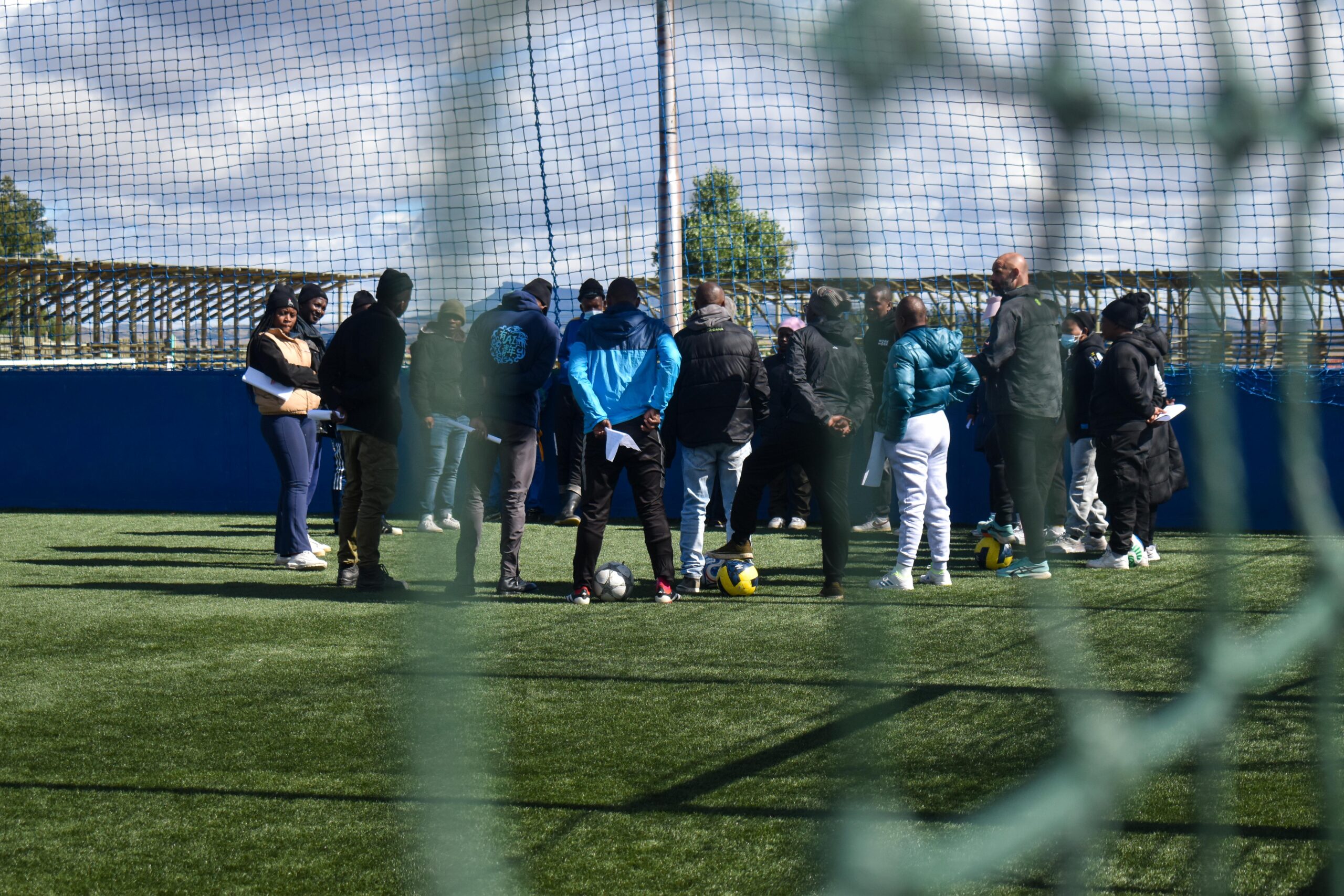
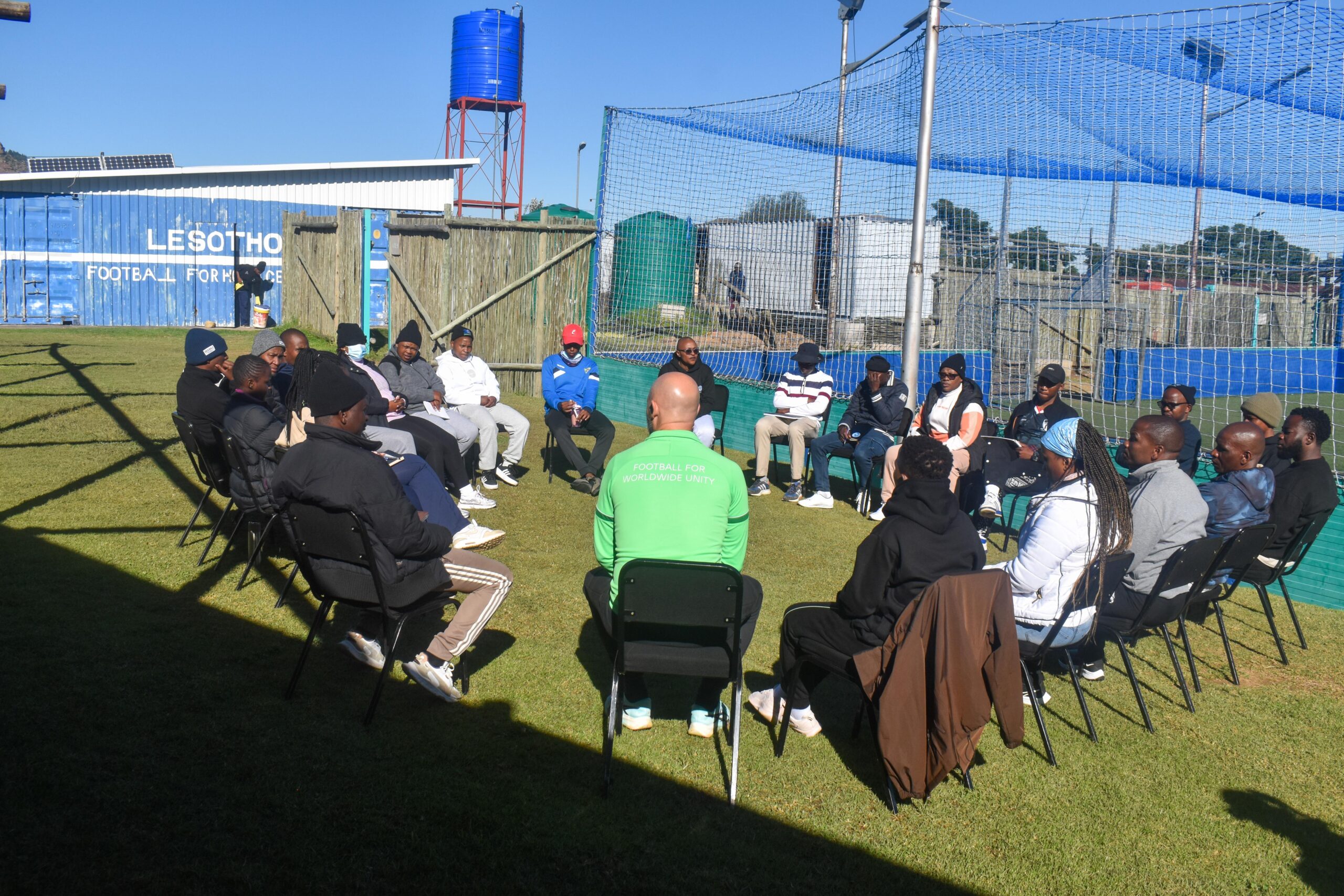
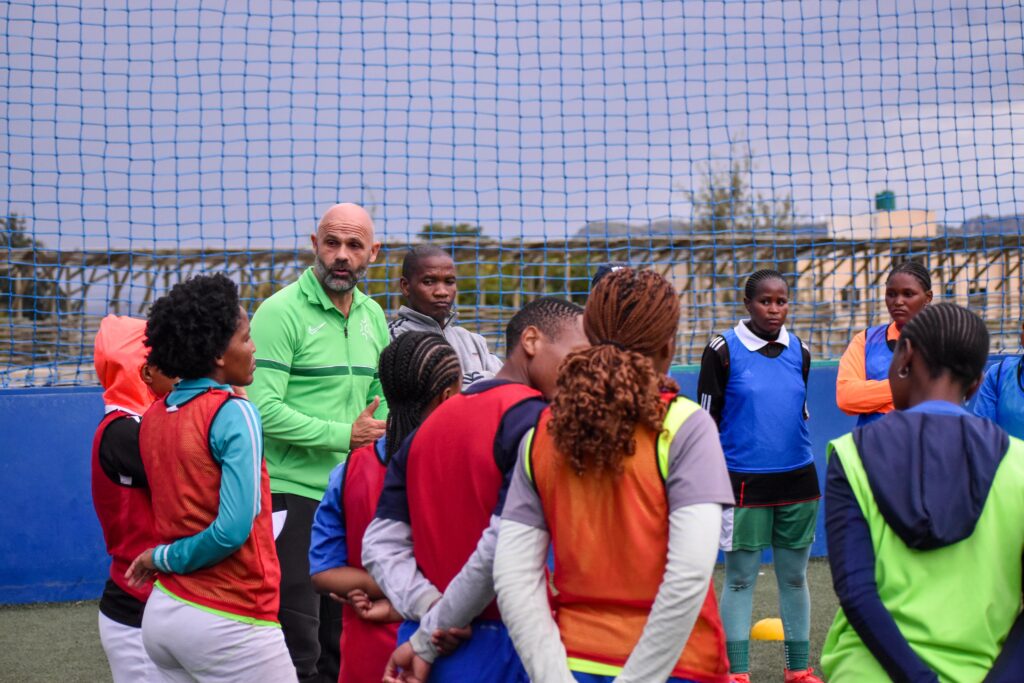
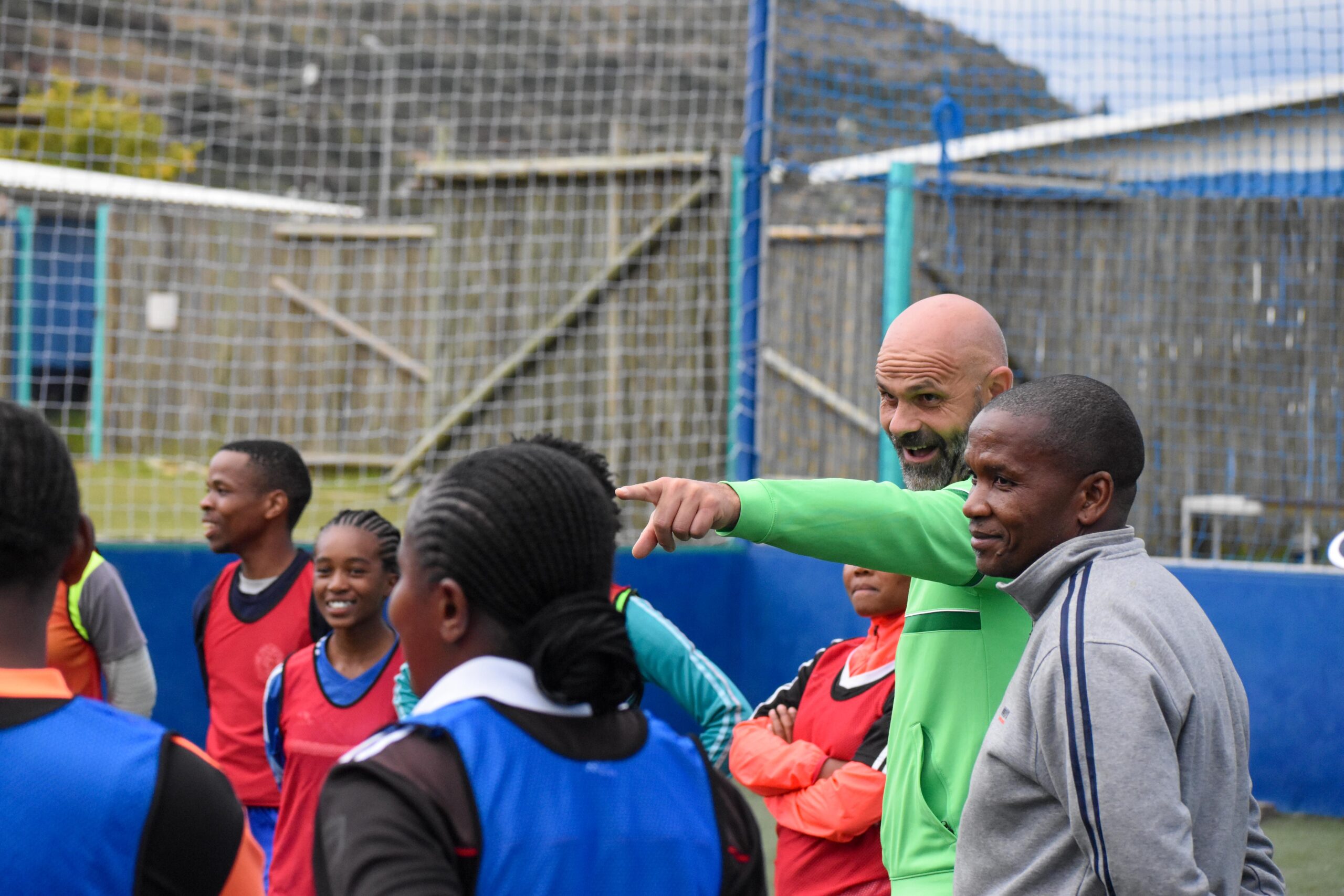
In May 2026, FFWU brought its brand-new Emotional Competences curriculum to Maseru, Lesotho — for the very first time. As a result, 22 coaches from Kick4Life F.C. spent six days working through ten competences: self-reflection, mindfulness, self-control, goal setting, perseverance, self-confidence, coping with emotions, responsibility, motivation, and creativity. Not as abstract concepts. As coaching tools — things to practise on the pitch, session by session, with the young people they work with every week.
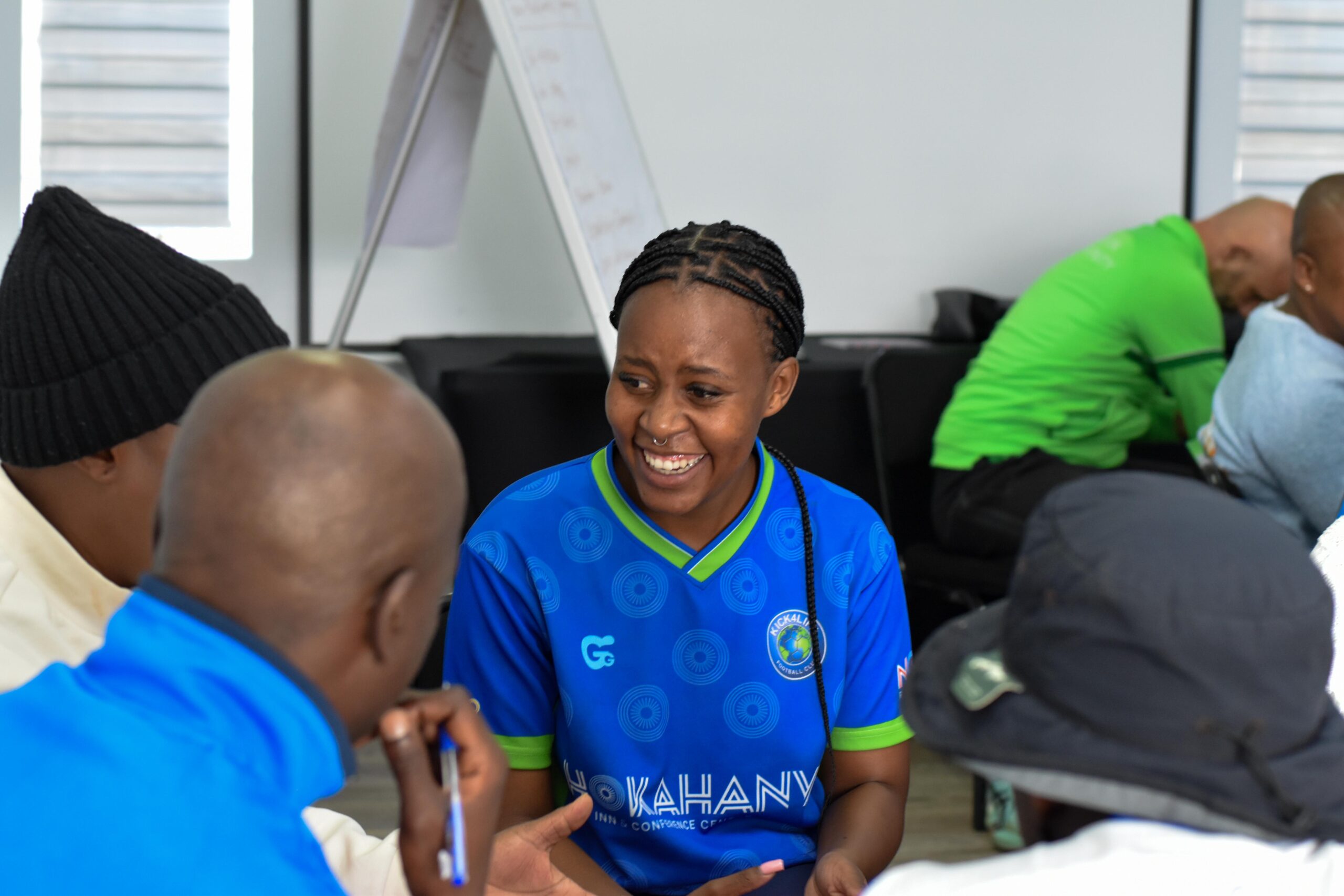
“Learn. Unlearn. Relearn.”
— Course participant, Maseru 2026Lesotho is a country where that work is urgently needed. In fact, coaches in the room named unemployment, health challenges, and gender inequality as the defining pressures in their communities — and the vast majority already see themselves as part of the response. This course was designed to sharpen that instinct and give it practical tools.
A curriculum that asks coaches to look inward
Rather than delivering information top-down, lead educator Sascha Bauer used guided discovery throughout — participants worked through case studies, group discussions, and practical sessions to arrive at their own understanding of each competence. In other words, the approach asks coaches to reflect on their own behaviour before they can model it for others.
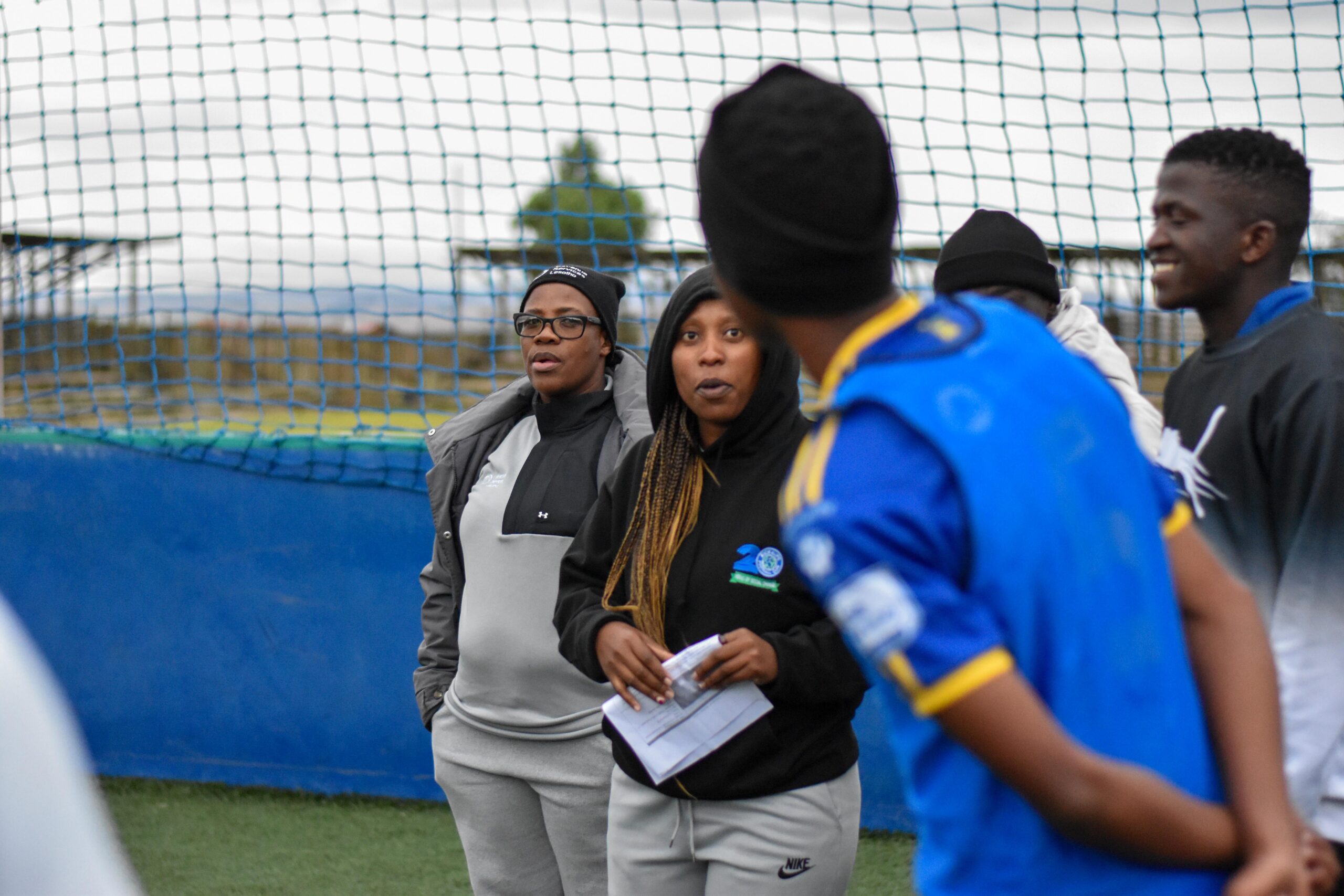
“It develops a person first, and then an athlete.”
— Course participant, Maseru 2026Above all, the sport psychology content was singled out as particularly engaging — insightful, participants said, and it sparked real debate. The case studies were a highlight: real scenarios that made the abstract feel immediately applicable.
Kick4Life: a partner built for this work
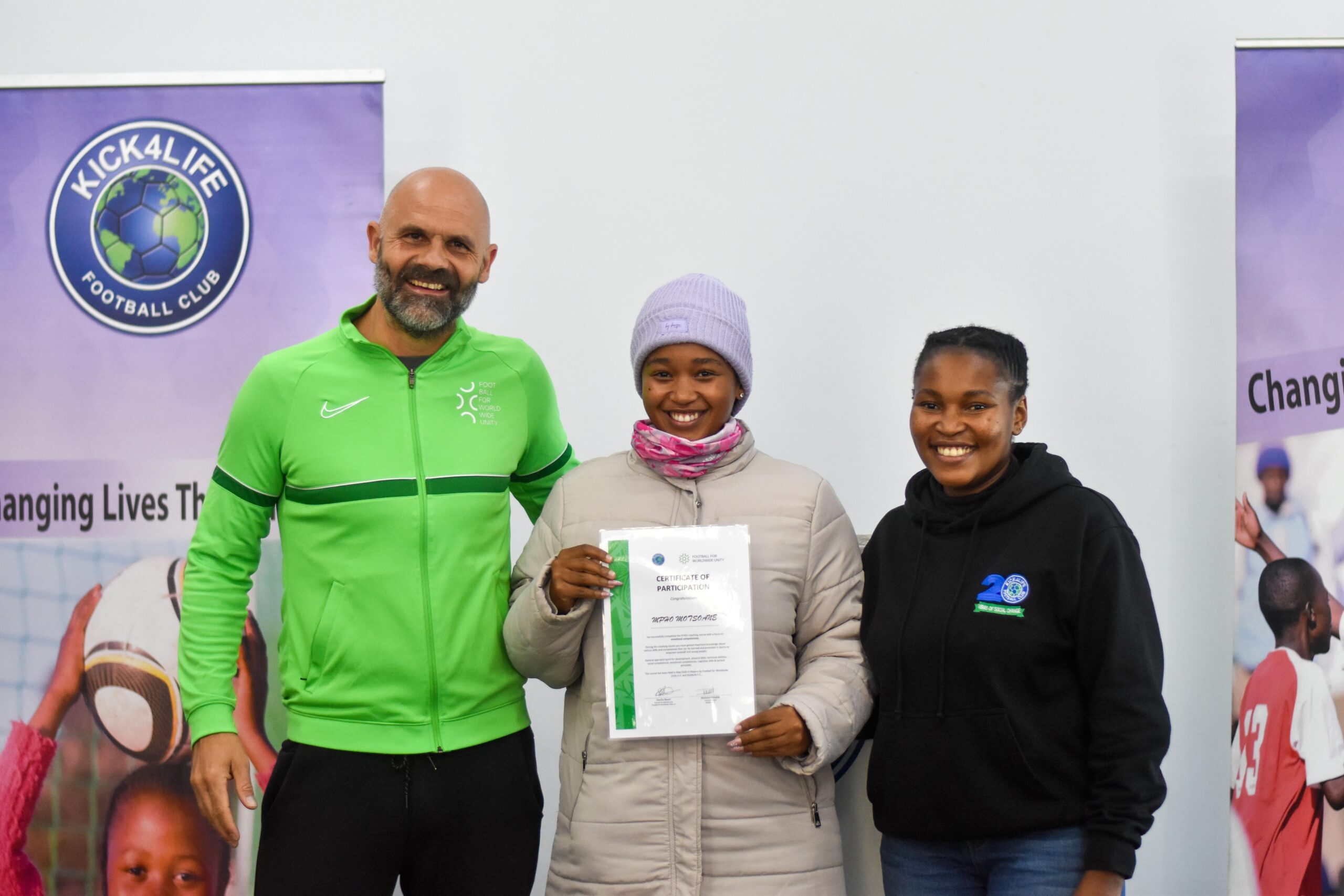
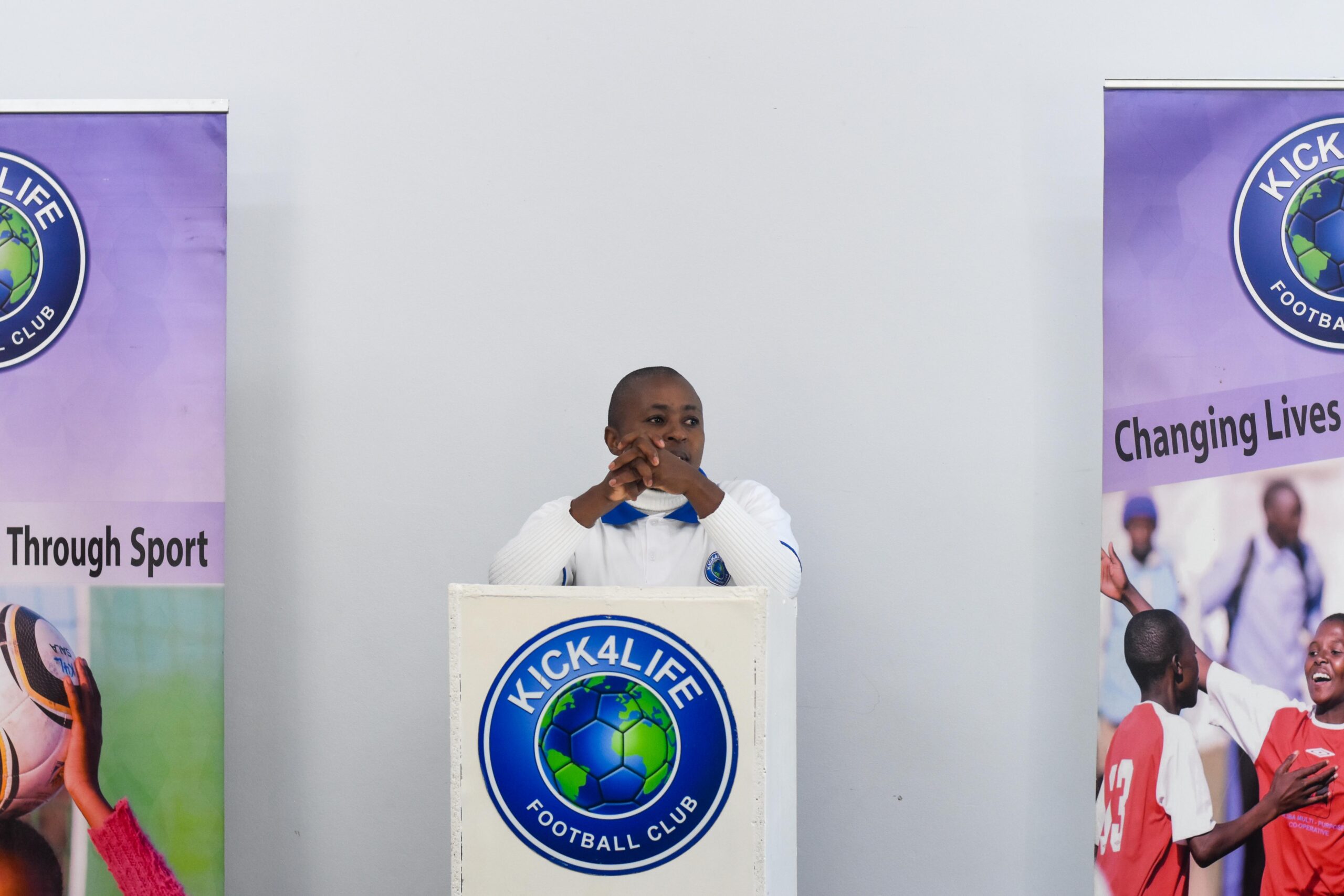
The Lesotho course was made possible by the partnership with Kick4Life F.C. — a club unlike almost any other in the world. Based in Maseru, Kick4Life operates simultaneously as a football club and a social enterprise, combining top-flight football with programming focused on health, education, and youth livelihoods. In 2020, it became the first top-flight club in the world to commit to gender-equal budgets.
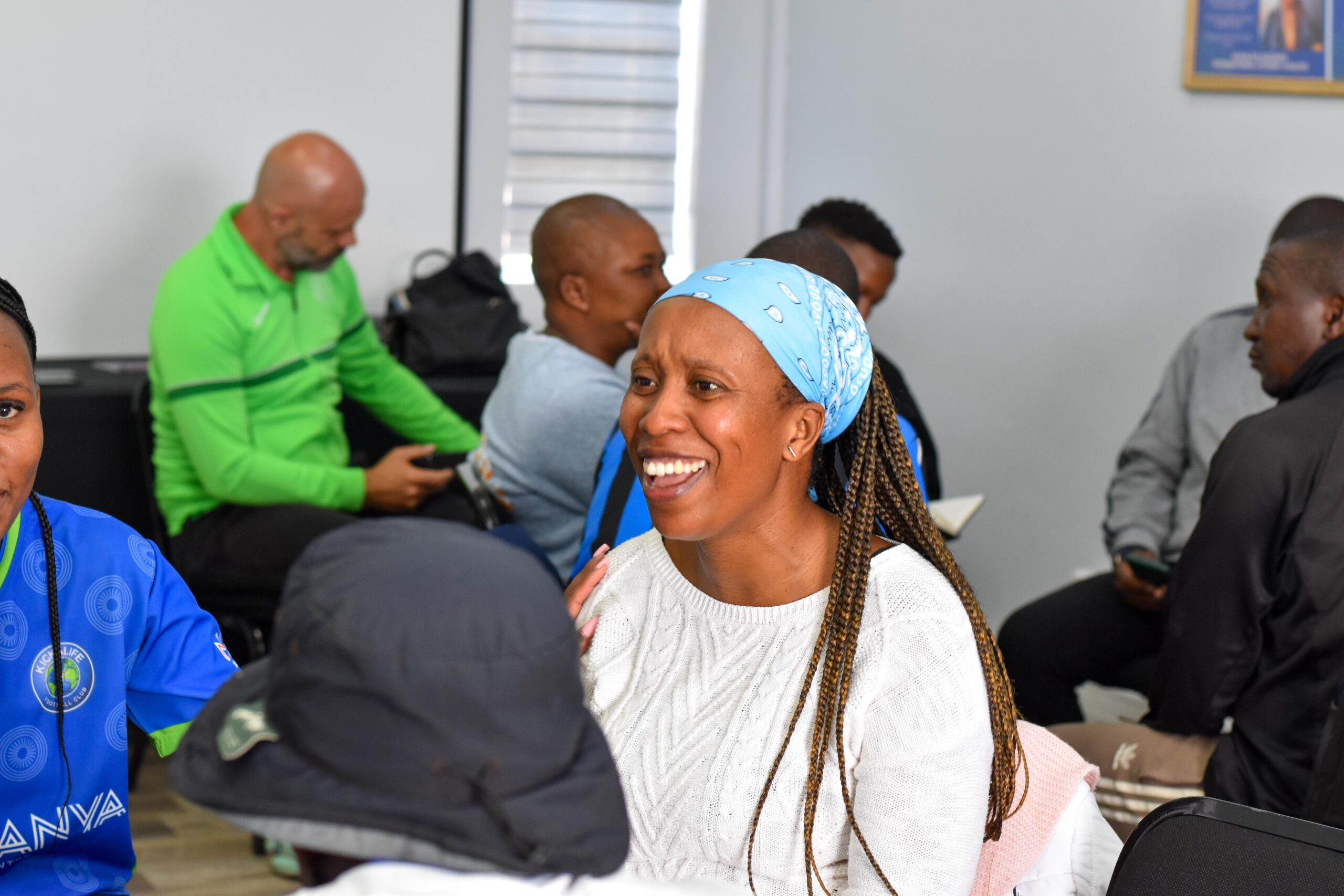
As a result, that commitment showed in the room. 37% of the participating coaches were women — the highest female participation rate of any FFWU course to date. Moreover, Kick4Life’s infrastructure, values, and institutional buy-in made for one of the strongest partnerships in the Sharing Goals programme.
What comes next
This was a first edition — and like all first editions, it generated as many questions as answers. For instance, ten competences in five days is a lot. As a result, FFWU is exploring splitting the curriculum into two separate 5-day courses, allowing each competence the depth it deserves and showing coaches how to embed the content into their regular sessions — not just understand it in isolation.
Furthermore, the Emotional Competences curriculum is the companion to FFWU’s Social Competences programme, which has now run twice in Mozambique. Together, they form the core of the Sharing Goals framework — built on the belief that the most powerful thing football can do is develop the full human being.
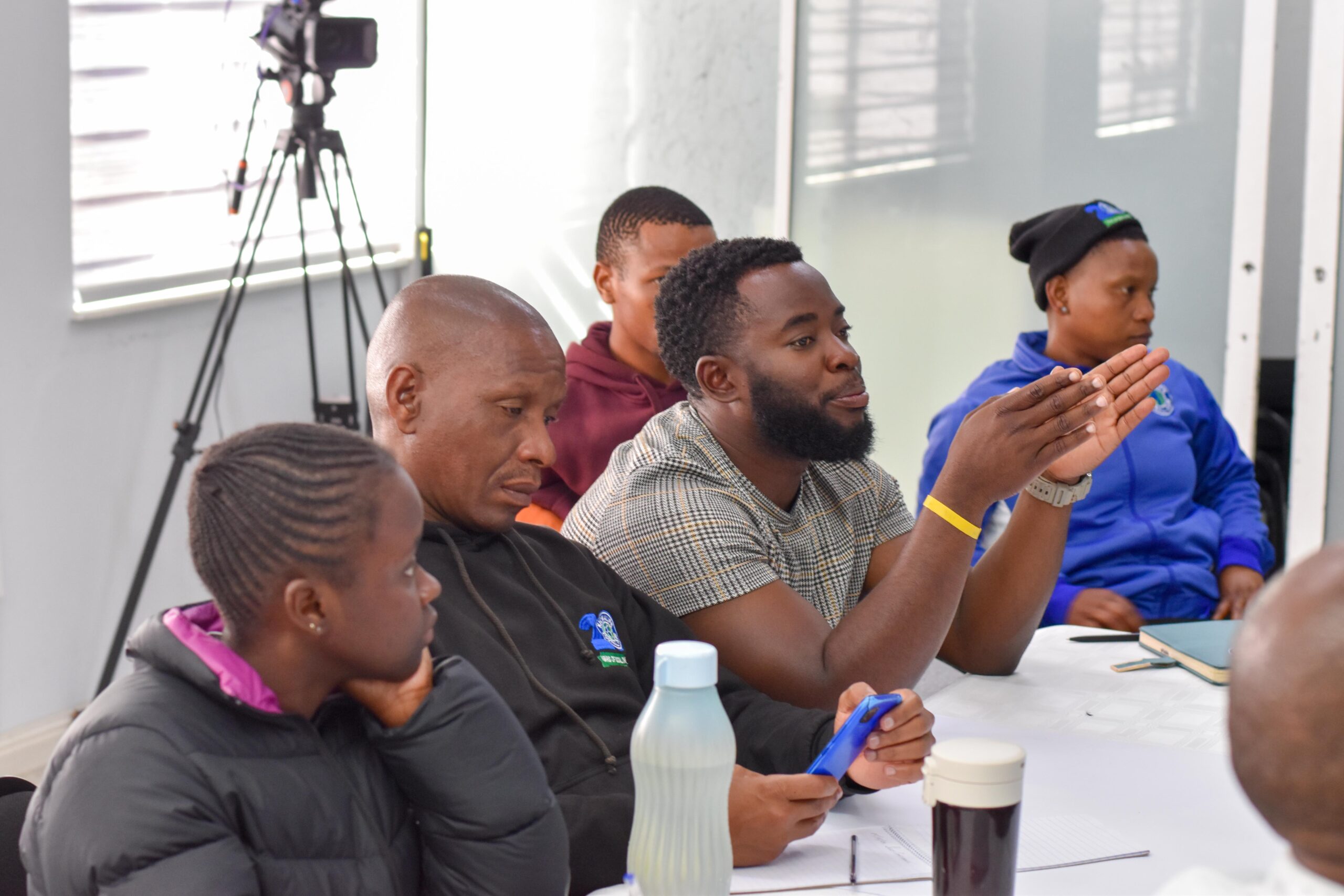
“A good football player possesses a combination of many skill sets — technical, social and emotional.”
— Course participant, Maseru 2026Ultimately, Lesotho is proof that coaches are ready for that conversation. The next step is making sure the structures exist to sustain it.
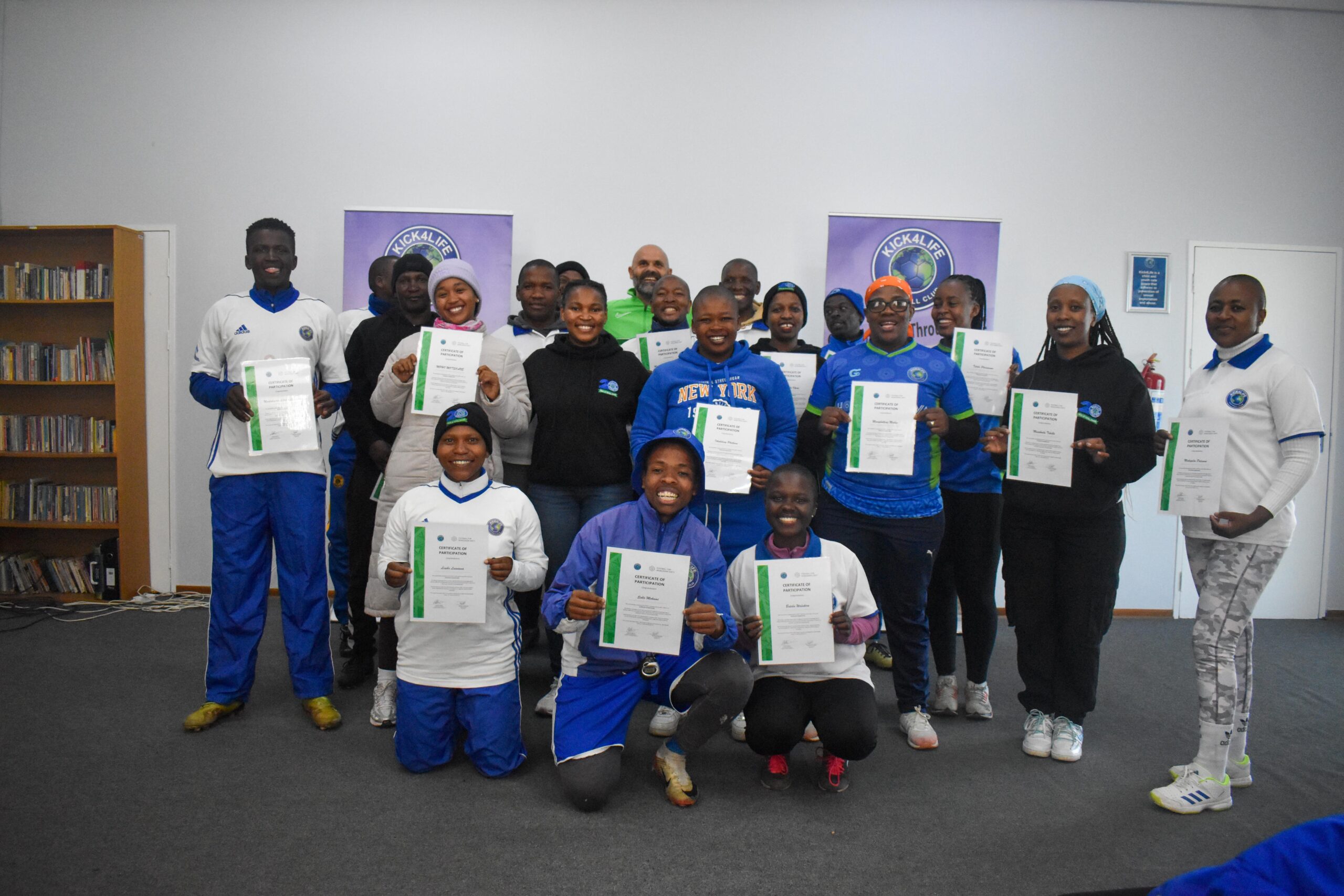
Photos from the course